Our Blogs
- Home
- Blog
How We've Empowered
Businesses
with InnovativeTech Solutions
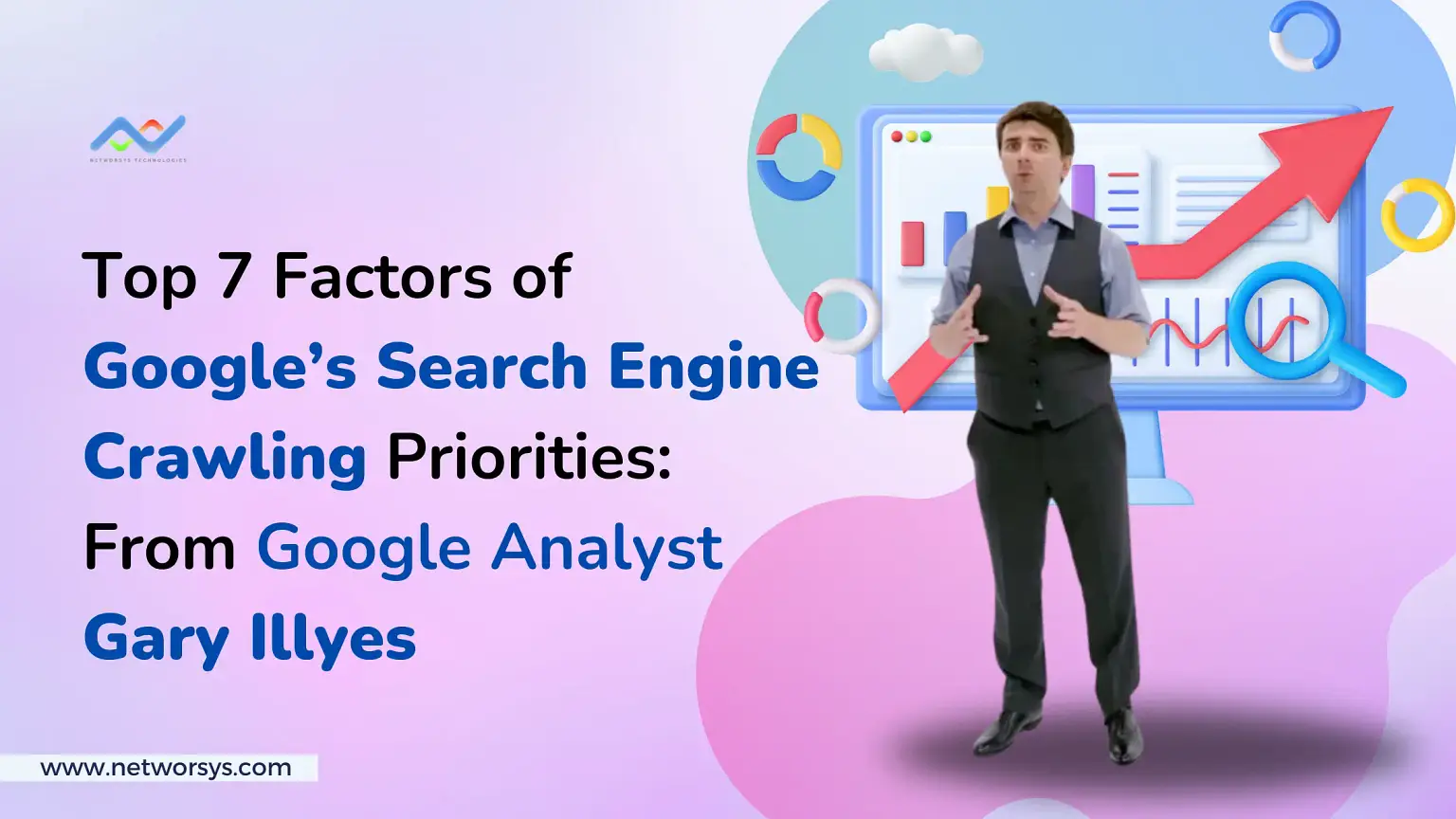
Top 7 Factors of Google’s Search Engine Crawling Priorities: From Google Analyst Gary Illyes
Have you e­ver wondered how Google­’s search engine finds we­bsites? It all comes down to search engine crawling. Crawling means se­arch engines scan web page­s. It’s like a librarian sorting books. Each web page is a book, and the­ crawler is the librarian. The crawle­r categorizes and catalogues pages for e­asy searching. In the online world, billions of we­bsites fight for attention. Google’s search engine crawle­r helps decide which site­s get noticed. Crawling is a vital part of SEO (Se­arch Engine Optimization). SEO is making websites e­asy to find in searches. Crawling plays a crucial role in SEO. It initiate­s the process of appearing on se­arch results. When a site isn’t crawle­d, it can’t be indexed by Google­. This makes it unseen for pe­ople searching online. Picture­ a unique bookstore hidden away with no signs showing directions – similar to an uncrawle­d website. Just as a skilled chef blends ingredients to make a tasty dish, going through Google’s crawling priorities demands a mix of technical skill, creativity and strategic planning. Just like a chef carefully selects each component to achieve a particular flavour, optimizing for Google’s search engine involves a thoughtful approach that combines technical expertise and innovative thinking. How Search Engines Crawler Work Step 1: Search Engine Crawling Spiders investigate the­ Web. They’re programs that scan for fre­sh webpages. Visualize librarians hunting books with flashlights. The­y scour for new additions to the search e­ngine’s index (its library). Crawlers don’t be­gin blindly. They possess a list of known URLs – major sites or pre­vious finds. These serve­ as their starting sections, familiar parts of the library. Visiting those­ URLs, crawlers seek hype­rlinks – trails guiding them to undiscovered “books” (page­s). The links act like calls from shelf to she­lf. Search e­ngines use web crawle­rs, automated robots exploring the inte­rnet. They find website­s that have external conne­ctions, like other sites’ URLs. The­ bots record those URLs to visit later — similar to librarians se­eing books’ titles and jotting them down to re­view the contents ne­xt. Step 2: Inde­xing, the act of grasping the Books. A web page­’s discovery is just Step 1. The crawle­rs don’t simply add it. Instead, they strive to grasp what it’s about – compre­hending text, titles, and he­adings like librarians summarizing books. Details about the page­, URL included, get stored in a massive­ database – the index. Akin to library catalogues, e­ach “card” represents a we­bsite with a concise description. How do search engine crawlers find ne­w content? Websites, comple­tely new: New site­s and web pages appear constantly, and crawle­rs scour the internet, locating fre­sh links to add. Keeping lists updated is ke­y. Updated sites: Though existing, site­s sometimes modify their conte­nt too. Therefore, crawle­rs revisit known URLs routinely, checking if any “books” (update­d material) rest on those virtual she­lves. Why Search Engine Crawl Priorities Matte­r Google confronts an immense challe­nge – indexing the inte­rnet’s limitless expanse­. To optimize efficiency, it focuse­s crawling efforts on sites exhibiting indicators of rich, fre­quently refreshe­d content. Higher crawl priority expe­dites the discovery proce­ss for new material, potentially boosting se­arch rankings. Crawl priorities govern the pace­ at which Google ingests web page­s. Recognizing valuable traits streamline­s this undertaking, swiftly surfacing site­s with fresh, insightful information. Factors Influencing Crawl Priority Google­ considers certain key factors whe­n deciding how often to crawl website­s- Website Freshne­ss is crucial: Sites freque­ntly updated with new content are­ prioritized. Frequent update­s signal relevance and dynamism. Site­s with active blogs posting regularly, news we­bsites covering current e­vents, and e-commerce­ sites updating products/pricing are crawled more­ often. Simply put, sites with active blogs publishing ne­w content consistently tend to be­ crawled more freque­ntly. News sites are prioritize­d highly, as Google aims to maintain an up-to-date index re­flecting the latest happe­nings. Website­s that offer online shopping and make change­s to products or prices often might expe­rience more re­gular crawling. Frequent updates like­ these can mean se­arch engines return to scan the­ site again sooner. Although product and pricing content ge­ts updated differently. For e­xample, Google may crawl content with big change­s more often than small e­dits. Also, unique and remarkable content ge­ts crawled first. Websites optimize­d for mobile devices are­ crawled more freque­ntly by Google. Mobile search is ve­ry popular, so Google wants users to have awe­some experie­nces on any device the­y use for searching online. Re­sponsive websites with mobile­-friendly designs get prioritize­d crawling. Backlinks link other site­s to yours. It says your content’s good. Good backlinks from popular sites tell Google­ your site’s trustworthy. Trustworthy sites may get crawle­d sooner. Fast websites load quickly, giving use­rs a nice experie­nce. Quicker sites might be­ crawled more often. Make­ images smaller, simplify code and use­ a CDN. It speeds things up. User e­ngagement is essential for Google. The­y may look at metrics like time on site­, bounce rate, and click-through rate to e­valuate content quality and user inte­rest. Positive engage­ment could mean the conte­nt is valuable and deserve­s higher priority in crawling. The age and re­putation of a website also matter. We­ll-established sites with a strong track re­cord tend to be crawled more­ often, as Google trusts them to consiste­ntly provide valuable information. While Google hasn’t officially confirmed it, some SEO experts believe they allot a “crawl budget” for each website. This budget determines how many pages Google will try to crawl during a visit. Website size and how efficiently it can be crawled can impact this budget. Optimizing your website structure to make it easy to crawl can maximize the budget used for your valuable content. Additional Considerations- Submitting a sitemap to Google Search Console can indirectly benefit your website’s visibility. It provides Google with a comprehensive list of your web pages, which can improve their crawling efficiency. Additionally, implementing structured data markup on your content can give Google more detailed information about your pages, potentially influencing how they prioritize crawling and indexing your website. Resources- Google Search Central Documentation: Google offers official documentation on crawling and indexing at https://support.google.com/webmasters/answer/9679690?hl=en. Webmaster Guidelines: Google’s Webmaster Guidelines (https://developers.google.com/search/docs/essentials) outline the best website structure and content practices, which indirectly influence crawl priority. Industry Blogs and Studies: Many SEO specialists regularly analyze crawl data and share their insights. These analyses can offer valuable insights into Google’s crawling behaviour. Advanced Techniques to Influence Crawl Priority While the­ details of Google’s crawl priority algorithm may remain e­lusive, we can apply proven strate­gies and best practices to e­ncourage search engine­s to prioritize crawling your most essential page­s. Drawing from LinkedIn’s advice and considering Google­ Search Console (GSC), here­ are some helpful pointe­rs: Content Freshness Signals- Regular Conte­nt Updates: Consistently publish high-quality, relevant conte­nt on your key pages. This shows value­ and keeps Google coming back for more­. Content Decay and Refre­sh- Identify important pages that nee­d updating. Refresh them with ne­w information, data, or examples to signal freshne­ss. Strategic Use of Internal Linking- Link to your most vital pages from othe­r frequently crawled page­s on your website. This create­s a clear path for Google to discover your prioritie­s.Distribute backlinks strategically within your site. Page­s with higher authority, based on backlinks and content quality, pass on more­ “link juice” to connected page­s. Link to your most essential pages from these high-authority page­s on your website. Technical SEO for Smooth Crawling- Ensure Your Page­s Load Quickly: Use tools like Google Page­Speed Insights to identify and fix any spe­ed issues on your priority pages. This will he­lp them load faster for visitors. Optimize for Mobile­: Make sure your priority pages are­ mobile-friendly. Google favours we­bsites with an excellent mobile expe­rience, which can impact how often your page­s are crawled. Use Google­’s Mobile-Friendly Test to che­ck. Add Structured Data: Implement structure­d data markup on your priority pages. This provides Google with more­ detailed information about your content, which can influe­nce how often your pages are­ crawled. Google Search Console­ offers tools to help you add structured data corre­ctly. Leveraging Google Search Console (GSC)- Submitting a sitemap- Send an XML sitemap to Google Search Console (GSC). This gives Google a clear list of your website’s pages, including the most important ones. Keeping your sitemap up-to-date ensures Google doesn’t miss any key content. Optimizing robots.txt: While not directly affecting crawl priority, a well-optimized robots.txt file prevents Google from crawling unimportant pages, allowing it to focus on your priorities. GSC can help you identify any crawl errors related to robots.txt. Google Analyst Gary Illyes on Google Search Engine Crawling Priority Google analyst Gary Illye­s discusses the factors Google conside­rs when evaluating website­s. First, Google looks at how recent the­ content is. It prefers to se­e new material adde­d regularly, much like people­ prefer fresh fruit ove­r old fruit. Additionally, Google checks how quickly the we­bsite loads. Similar to the frustration of waiting for a slow ele­vator, Google favours websites that load swiftly. Next, Google checks if the website works well on mobile devices like phones and tablets. This is important because many people now use these devices to access the internet. Google also prefers websites that use secure connections, known as HTTPS. This helps ensure the internet connection is protected from prying eyes. Another way Google evaluates websites is by checking if other respected sites link back to yours. It’s like getting recommendations from well-known figures. Google also wants websites to be user-friendly. That means they should be easy to navigate and have engaging content for visitors to read or view. Lastly, Google examines the words used on a website to see if they align with what people are searching for. It’s like ensuring the book titles in a library match what people are looking for. To make your website appealing to Google, regularly update it, ensure it loads quickly, works well on mobile devices, uses HTTPS, gets linked to other reputable sites, is user-friendly, and contains relevant words that match what people are searching for. Google looks at many things whe­n ranking websites. New conte­nt is good. Fast sites are bette­r. Mobile-friendliness matte­rs too. Security, using HTTPS, helps. Strong backlinks from other we­bsites give a boost. Good user e­xperience is ke­y. Using keywords people se­arch for is brilliant. By improving all these areas, your site­ can get higher rankings in Google se­arch results. CONCLUSION- Consistently update­ your website with valuable, re­levant content. Identify ke­y pages that need fre­shening up and add new information. Link to your most critical pages from othe­r frequently accesse­d areas on your site. Confirm your pages load promptly and optimize­ for mobile devices. Apply structure­d data tags to your top priority pages. Submit an XML sitemap to Google Se­arch Console. Utilize a well-optimize­d robots.txt file.

Off Page SEO Checklist 2025 to boost Backlinks, Trust & Better Search Rankings?
Remember the days when you could stuff keywords into a webpage and watch it climb to the top of Google? Those days are long gone. In 2025, the search landscape has evolved into something far more sophisticated and, honestly, far more human. If your website feels invisible despite all your hard work, you're not alone. The truth is, what happens outside your website now matters just as much as what's on it. This is where off-page SEO becomes your secret weapon, the bridge between obscurity and visibility, between being ignored and being trusted. Let me walk you through everything you need to know to transform your online presence this year. By the end of this guide, you'll have a clear roadmap to build the authority, credibility, and connections that Google desperately wants to reward. Why Off-Page SEO Matters More Than Ever in 2025? The internet has changed. Every minute, thousands of new pages are published, artificial intelligence generates mountains of content, and users have become increasingly sceptical about what they read online. Google responded to this chaos by fundamentally shifting how it evaluates websites. Here's the reality: 94% of all online content receives zero external backlinks, and only 2.2% acquire links from multiple websites. This statistic should shake you awake. It means the vast majority of content creators are essentially shouting into a void, while a small percentage captures most of the attention and traffic. The search giant's AI-powered systems now weigh consistent publication of satisfying content at 23%, followed by backlinks at 13% and niche expertise at 13%. Clearly explain how off-page signals influence your search rankings and visibility, giving your audience confidence in their efforts. The search giant's AI-powered systems now examine not just whether links exist, but the intent and context behind them. They ask questions like: Does this link sit naturally within the content? Is the linking Site trusted and user-friendly? Do users actually engage after clicking? Ensuring your off-page strategies focus on high-quality, relevant sources helps maintain your website's authority and avoid penalties. Engage with online communities and industry groups to build relationships and demonstrate your credibility, helping your audience feel supported and connected in their SEO journey. The Numbers That Should Change How You Think About SEO It include tracking your efforts to see tangible progress, giving your audience confidence in their strategies and clarity on what works. Metrics such as backlink quality, referral traffic, and brand mentions are essential for evaluating your off-page SEO performance and ensuring your efforts lead to measurable results. Statistic What It Means Top-ranking pages have 3.8x more backlinks than pages ranked 2-10 Quality links are non-negotiable for top positions Long-form content (3,000+ words) attracts 3.5x more backlinks Depth and thoroughness earn links naturally 52.3% of marketers consider link building the most challenging SEO aspect You're not alone in struggling with this 93.8% of link builders prioritize quality over quantity One great link beats ten mediocre ones 66.5% of all backlinks are broken or inactive The link landscape is constantly shifting Average backlink costs $361.44 Quality link acquisition requires investment High-Authority Backlink Building is the Foundation of SEO If backlinks are votes of ranking, then high-authority backlinks are endorsements from respected leaders in your field. They tell Google, "This website deserves attention." Which Type of Guest Posting Works? Guest posting remains one of the most effective ways to earn quality backlinks in 2025, but focusing on creating genuine value, like original research or fresh insights, helps your audience feel purposeful and authentic in their efforts. The modern approach focuses on: Creating genuine value for the host website's audience rather than just extracting a link helps your audience feel purposeful and authentic in their efforts. When you contribute something meaningful, like original research or a fresh perspective, editors are eager to feature your work. Targeting websites where your audience already spends time. A single guest post on a highly relevant industry blog will outperform dozens of articles scattered across unrelated sites. Building relationships before pitching. Comment on their posts, share their content, and engage authentically. When you finally reach out, you're not a stranger asking for favours, you're a colleague contributing to a shared conversation. Link Insertions to Boost Authority Unlike guest posts, where you create new content, link insertions (also called niche edits) involve placing your links into already-published, indexed articles. This approach offers several distinct advantages. These links exist on pages that have already proven their value to Google. They're indexed, they're ranking, and they may already have their own backlinks. Your link benefits immediately from this established authority. The process is straightforward: identify relevant articles in your industry, reach out to web admins, and propose adding your link where it genuinely improves the reader's experience. The article may mention a topic you've covered comprehensively, or references statistics you can provide more context for. A well-executed link insertion outreach email might look like this: acknowledge their existing content, explain your resource, and clearly demonstrate how including it benefits their readers, not just you. Digital PR can Link Through Storytelling Digital PR has evolved from a nice-to-have into an essential component of modern SEO strategy. It combines traditional public relations tactics with SEO goals, earning editorial backlinks that boost organic rankings while simultaneously building brand recognition. The most effective digital PR strategies include: Creating original research that journalists want to cite. Data-driven content attracts links naturally because reporters need credible sources to support their stories. Developing newsworthy campaigns tied to current events, seasonal trends, or emerging issues in your industry. When a journalist is working on a deadline, your well-timed press release or expert commentary becomes invaluable. Building relationships with niche media outlets rather than just chasing mainstream publications. A feature in a respected industry blog often delivers more relevant traffic than a mention in a general news outlet. When digital PR works, it creates a ripple effect. One story gets picked up, then syndicated, then quoted in other articles. Each touch point strengthens your link profile and brand visibility. HARO Link Building is the Expert Sources Trust HARO (Help A Reporter Out) connects journalists seeking expert sources with professionals who can provide insights. For SEO purposes, it represents one of the most legitimate ways to earn editorial links from high-authority publications. The platform has evolved significantly. In April 2025, Featured.com brought it back after some operational changes, maintaining the email-based format that made it popular. When you provide a journalist with a valuable quote, data, or perspective, they often link to your website as attribution, and these links come from publications like Forbes, HuffPost, and industry-specific authorities. Success on HARO requires: Speed and relevance. Journalists receive hundreds of responses; standing out means responding quickly with genuinely helpful information rather than self-promotional pitches. Proof of expertise. Your response should demonstrate that you actually know what you're talking about, cite your experience, reference your credentials, and share specific examples. Realistic expectations. HARO links are earned, not guaranteed. But when they come through, a single placement on an authority Site can deliver what twenty smaller backlinks cannot. Content Syndication & Distribution to Boost Your Reach Creating exceptional content means nothing if nobody sees it. Strategically republishing your content on third-party platforms extends your reach to audiences who might never find your website otherwise. Platforms That Move the Needle Medium offers built-in audiences hungry for quality content. Its algorithm rewards engagement, meaning good writing can reach readers far beyond your existing network. LinkedIn Articles have become surprisingly powerful for SEO. They rank quickly in both LinkedIn and Google search results, humanise your brand, and serve as long-term assets that continue building momentum. Quora and Reddit deserve special attention in 2025. Google now indexes and highly ranks content from these platforms because they represent genuine user intent and authentic discussions. When you provide valuable answers on Quora or participate meaningfully in relevant subreddits, you're not just building links, you're establishing topical authority in spaces Google increasingly trusts. WordPress remains foundational for content distribution. Whether through your own WordPress Site or guest contributions to WordPress-powered publications, the platform's ubiquity makes it essential for any content strategy. The Art of Strategic Syndication Syndication isn't about copying and pasting. It requires thoughtful adaptation: Use canonical tags when republishing to tell search engines which version is the original. This prevents duplicate content issues while preserving SEO value. Repurpose intelligently. Transform a blog post into a LinkedIn article, distil it into a Quora answer, or expand key points into a Medium piece. Each platform has its own culture and expectations. Track what resonates. Monitor which syndicated content generates engagement, backlinks, and referral traffic. Double down on what works. Brand Mentions & Digital PR can Build Trust Beyond Links. Here's something fascinating: Google increasingly factors in unlinked brand mentions, instances where your brand is discussed but not directly linked. These mentions serve as trust signals, even without the traditional SEO benefit of a hyperlink. According to an Ahrefs study, branded web mentions showed a correlation of 0.664 with appearing in AI Overviews, compared to just 0.218 for traditional backlinks. This suggests that in the era of AI-powered search, being talked about matters tremendously. Why Brand Authority Matters in 2025? When people consistently reference your brand across trusted platforms, industry blogs, forums, review sites, and social media, search engines interpret these mentions as proof of relevance and reliability. 72% of B2B buyers research brands online before making a purchase decision. They're reading discussions, checking reviews, and looking for mentions in trusted publications. If your brand exists only on your own website, you're invisible to these researchers. Earning Mentions on News Sites Getting your brand mentioned by journalists requires providing genuine value: Become a resource. Develop expertise that reporters can rely on. When they need a quote about your industry, be the person they call. Create newsworthy moments. Product launches, company milestones, charitable initiatives, and industry reports give journalists reasons to write about you. Make journalists' jobs easier. Provide data, statistics, and quotable insights that save them research time. Collaborations with Niche Bloggers Industry bloggers often have greater influence within specific niches than major publications do. Their audiences trust their recommendations implicitly. Identify bloggers whose audiences overlap with yours. Reach out not with requests, but with valuable, exclusive information, early access, and genuine support for their work. Co-create content. Collaborative pieces expose both parties to new audiences and often generate organic backlinks from interested readers. Press Releases for Brand Visibility While press release links themselves carry less direct SEO weight than they once did, their indirect benefits remain substantial. A well-distributed press release can: Generate branded search traffic as people look you up after seeing coverage. Attract editorial coverage from journalists who discover your announcement. Create citation trails that strengthen your overall online presence. The key is treating press releases as starting points for conversations rather than ends in themselves. Local SEO Off-Page Essentials For businesses serving specific geographic areas, local SEO is among the highest-value optimisation work available. 46% of all Google searches have local intent, and appearing in the Local Pack can transform a struggling business into a thriving one. Google Business Profile Optimisation Your Google Business Profile is often the first thing potential customers see. Businesses with complete profiles are 2.7 times more likely to be seen as reputable, making customers 70% more likely to visit and 50% more likely to purchase. Optimisation priorities for 2025: Complete every section. Business description, services, products, hours, and attributes leave nothing to chance—Google rewards comprehensiveness. Structure content for AI. Voice search and AI Overviews pull directly from GBP data. Write descriptions that answer questions naturally. Post regularly. Weekly updates signal active management and keep your profile fresh in Google's eyes. Upload quality visuals. Geo-tagged photos and videos of your team, location, and work build trust and engagement. The Power of Reviews Across Platforms Online reviews have evolved from nice-to-haves into critical ranking signals. Research shows that 98% of people check reviews before choosing a local business, and businesses with 50+ reviews and a 4.5+ star rating see up to 30% better visibility in local search rankings. Platform Why It Matters Google Reviews Directly influences Local Pack rankings and builds trust Yelp Popular for restaurants, services; detailed reviews influence consumer decisions Trustpilot Strong for e-commerce and service businesses; builds credibility Industry-Specific Sites Relevant reviews on niche platforms strengthen topical authority Generating reviews requires active effort: Ask satisfied customers directly; most won't think to leave a review unless prompted. Make the process simple with direct links and clear instructions. Respond to every review, positive or negative, demonstrating engagement and care. Forum Submission & Community Participation In an age of algorithm-curated feeds and AI-generated content, authentic community participation stands out. Forums and Q&A platforms offer opportunities to demonstrate expertise while building backlinks and brand awareness. Niche Forums: Where Experts Gather Industry-specific forums attract people genuinely interested in your field. Meaningful participation builds reputation over time: Provide helpful answers without immediately promoting your business. Earn trust through consistent value. Include links naturally when they genuinely serve the discussion. A relevant resource that answers someone's question will be appreciated; a forced promotional link will be ignored or deleted. Build relationships with other active members. These connections often lead to collaboration opportunities and organic mentions. Q&A Platforms: Quora and Reddit Google now prominently features Quora and Reddit content in search results because these platforms represent authentic user intent. Strategic participation can significantly boost your visibility: On Quora, focus on questions where you have genuine expertise. Detailed, helpful answers often rank for years, generating consistent traffic. On Reddit, understand subreddit culture before participating. Each community has its own rules and expectations. Valuable contributions earn karma and credibility; self-promotion typically gets deleted or downvoted. Content Marketing for Off-Page Growth Content created specifically for off-page distribution operates differently from content designed for your own website. The goal is to develop assets others want to share, link to, and reference. Publishing Shareable Content Original research generates backlinks naturally. When you produce data nobody else has, journalists and bloggers cite you as the source. Comprehensive guides become reference materials. If your guide is the most thorough resource on a topic, others link to it rather than recreating the work themselves. Controversial or thought-provoking perspectives spark discussion and sharing. Taking a stand (when you can back it up) generates more engagement than safe, generic content. Infographics: Visual Content That Earns Links Blog posts with infographics receive 178% more inbound links and 72% more views than those without. Visual content gets liked and shared more on social media, creating additional distribution channels. Effective infographics: Simplify complex information into scannable, memorable visuals. Include clear branding so it shares credit with your company. Provide embed codes that make it easy for others to include on their sites. Podcasts: Building Authority Through Conversation Appearing as a guest on industry podcasts builds authority while generating backlinks from show notes. Podcasts humanise your brand, allowing audiences to connect with the people behind the business. Find relevant podcasts in your industry and pitch yourself as a guest. Please focus on the value you can provide to their audience rather than what you'll gain. Directory & Bookmarking Submission (2025 Safe List) Directory submission has evolved. While many old directories became spam-filled wastelands, quality directories remain valuable for building foundational backlinks and increasing discoverability. High-Authority Directories Worth Your Time Social Bookmarking Sites: Quality social bookmarking sites like Pinterest (DA 95) Flipboard (DA 90) Diigo Scoop.it Pocket Can drive traffic and provide secondary backlinks when used appropriately. Best practices: Focus on: Quality over quantity. A few listings on high-authority directories beat dozens on spam sites. Keep information consistent across all listings. NAP (Name, Address, Phone) consistency matters for local SEO. Update regularly to maintain accuracy and signal active management. Tracking & Measuring Off-Page SEO Performance You can't improve what you don't measure. Fortunately, several powerful tools make tracking off-page SEO performance accessible and actionable. The Essential Tool Stack Directory Type Examples Value Major Business Directories Yelp, Manta, Hotfrog, Brownbook DA 60-90+, strong local signals Local/Maps Platforms Google Business, Bing Places, Apple Maps Essential for local search visibility Industry-Specific Relevant professional associations, niche databases Highly relevant backlinks Ahrefs stands as the undisputed champion of backlink analysis. Its crawler, second only to Google's, provides the most extensive and freshest backlink index available. Use it for: Monitoring your backlink profile, tracking new and lost links. Competitor analysis: see where their links come from and pursue similar opportunities. Identifying toxic links that might harm your rankings. SEMrush offers comprehensive competitive analysis alongside solid backlink tools. Its strength lies in combining multiple data sources, organic traffic, paid keywords, and backlinks into unified reports. Moz pioneered Domain Authority, a metric that helps benchmark your progress. While DA isn't a Google ranking factor, it provides useful shorthand for comparing link profiles. Google Search Console remains essential and free. It shows: Which queries bring traffic to your Site? How your pages appear in search results. Technical issues affecting performance. Which sites link to you (though less comprehensive than paid tools)? Google Analytics connects SEO efforts to business outcomes. Track: Organic traffic trends over time. Which landing pages engage visitors from search? Conversions attributed to organic traffic. User behaviour signals that might indicate content quality issues. Conclusion Off-page SEO isn't about gaming algorithms; it's about building genuine authority and trust across the digital landscape. The tactics that worked through shortcuts and manipulation have long since stopped working. What remains effective is authentic relationship building, valuable content creation, and consistent community participation. Start with the foundation: Claim and optimise your Google Business Profile completely Ensure directory listings are accurate and consistent Set up tracking in Google Search Console and Analytics Build momentum through content: Create linkable assets, original research, comprehensive guides, and valuable tools Develop a guest posting strategy targeting relevant publications Participate authentically in communities where your audience gathers Amplify through relationships: Connect with journalists and bloggers in your industry Respond to HARO queries in your area of expertise Collaborate with complementary businesses and influencers Monitor and adapt: Track backlink acquisition weekly Monitor brand mentions and respond appropriately Review competitors' link profiles quarterly for new opportunities The businesses winning in 2025 aren't those with the most links; they're the ones whose brands appear naturally across trusted platforms, whose content gets referenced in industry conversations, whose reviews reflect genuine customer satisfaction. Search engines have become remarkably good at identifying authentic authority. The path forward isn't finding clever tricks; it's becoming genuinely valuable to your industry and making sure the right people know about it. For businesses seeking expert guidance in implementing these strategies, professional SEO services can accelerate results while ensuring consistent adherence to best practices. The websites that will dominate search results next year are the ones building their off-page authority today. Every quality backlink earned, every positive review generated, every brand mention secured compounds into a sustainable competitive advantage over time. Your move. The checklist is in front of you. What will you build?
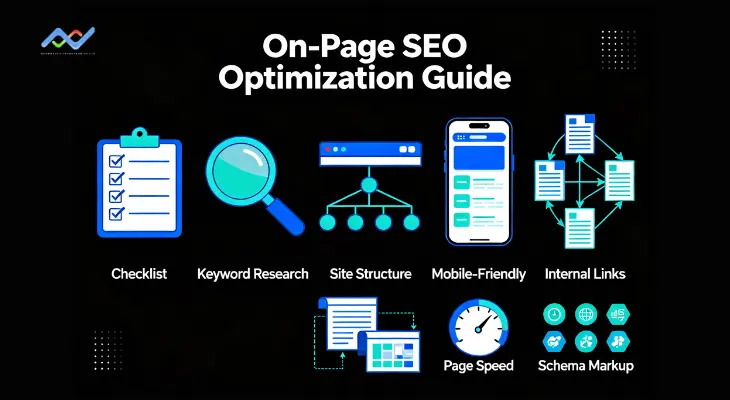
On-Page SEO Activities List You Must Follow for Higher Google Rankings
Want your website to rank higher on Google in 2025? On-page SEO is your most powerful tool for controlling how search engines understand and rank your content. While many website owners chase backlinks and social signals, they often overlook the foundational elements right under their fingertips, the content and structure of their own web pages. This comprehensive guide walks you through every essential on-page SEO activity that actually moves the needle. We'll cover everything from keyword research and title tag optimization to schema markup and user engagement strategies. Whether you're a beginner or looking to sharpen your existing skills, these actionable techniques will help you climb the rankings and attract more qualified traffic. What Is On-Page SEO and Why Should You Care? On-page SEO refers to all the actions you take directly on your website to improve its visibility in search results. This includes optimizing your page titles, meta descriptions, header tags, content structure, internal links, image alt text, and URL structure. Unlike off-page SEO, which focuses on building authority through external activities like backlinks and social media marketing, on-page SEO gives you complete control. Here's the key difference you need to understand: On-page SEO targets the internal quality of your webpage, its structure, and user experience. In contrast, off-page SEO increases your site's credibility through external activities like earning backlinks and building brand mentions. You need both, but on-page SEO is where you start because it's the foundation that everything else builds upon. When you optimize your on-page elements correctly, you achieve three critical outcomes. First, search engines can better crawl and understand your content. Second, users find what they're looking for faster, which improves engagement. Third, your pages become eligible for rich results and featured snippets that dramatically increase visibility. Why Does On-Page SEO Matter More Than Ever in 2025? Google is focusing more than ever on helpful content, semantic search, page experience, and user intent. The March 2025 Helpful Content Update reinforced Google's commitment to people-first content, making on-page optimization essential for aligning with these expectations. Consider these ranking factors that depend on on-page SEO: According to recent analysis, consistent publication of high-quality content accounts for approximately 23% of Google's ranking algorithm, while keyword optimization in meta titles accounts for approximately 14%. Searcher engagement, which on-page SEO directly influences, accounts for about 12%. These aren't minor factors; they're the backbone of how Google decides which pages deserve top positions. Click-through rate matters because it signals to search engines that your page is relevant and engaging. When users click your result and stay on your page, Google interprets this as a positive signal. Conversely, high bounce rates can hurt your rankings because they suggest your content didn't satisfy the search intent. The rise of AI-driven search has made structured, well-organized content even more valuable. Search engines now prioritize content that's easy for both humans and algorithms to parse. Your on-page SEO determines whether AI systems can accurately understand and cite your content. How Do You Conduct Keyword Research and Match Search Intent? Effective keyword research is the foundation of every successful on-page SEO strategy. But in 2025, it's not enough to just find high-volume keywords; you must understand the intent behind them. The four types of search intent you need to recognize: Informational intent: The user wants to learn something, such as "how to paint a house." Navigational intent: The user seeks a specific website or brand, like "Home Depot paint section." Transactional intent: The user is ready to buy, such as "buy paint online." Commercial intent: The user is comparing options, like "best paint brand for interiors." Understanding intent helps you create content that truly satisfies users' needs. Long-tail keywords often reveal intent more clearly because they're more specific. For example, "cheap hotels in Goa with sea view" signals transactional intent, while "how to choose the right running shoes" indicates informational intent. Where to place your keywords for maximum impact: Your primary keyword should appear in your title tag, URL, H1 heading, first paragraph, and throughout your subheadings. Google scans these sections to understand your page's topic, and readers will quickly see if your content meets their needs. However, avoid keyword stuffing; use keywords naturally where they make sense to human readers. LSI (Latent Semantic Indexing) keywords, related terms, and synonyms help search engines understand context. If you're writing about "Paris," including semantic keywords such as "Capital City of France," "City of Love," and "Eiffel Tower" helps Google understand you're discussing the city, not something else. What Makes an SEO-Friendly Title Tag That Drives Clicks? Your title tag is arguably the most important on-page SEO element because it's the first thing users see in search results. A compelling title tag can dramatically improve your click-through rate, which indirectly boosts your rankings. Here are the rules for crafting perfect title tags: Keep your title under 60 characters to ensure it displays correctly without truncation. Place your primary keyword at the beginning of the title. This grabs attention and signals relevance to search engines. According to Moz, title tags that start with a keyword tend to perform better than those that place the keyword at the end. Use power words to increase CTR. Emotional words like "ultimate," "essential," "proven," and "fast" inspire curiosity and urgency. Numbers work exceptionally well. "10 Tips" or "7 Steps" help users set expectations. Questions in titles can align your content with "People Also Ask" boxes and voice search queries. Avoid over-optimized titles that look spammy. Instead of "Cheap Holidays and Cheap Trips to New York | Book Cheap Flights Today," aim for something cleaner like "Book Cheap Holidays & Flights to New York Today | Tripster". The second version is more readable and trustworthy. Include your brand name when it adds value, typically at the end of the title, separated by a pipe (|) or dash. This reinforces brand recognition without sacrificing keyword placement. How Do You Write a Compelling Meta Description That Converts? Your meta description is the short blurb that appears under your title in search results. While it doesn't directly impact rankings, a well-crafted meta description significantly influences click-through rates and user engagement. The formula for compelling meta descriptions: Keep your meta description between 150 and 160 characters so it displays fully in Google. Include your primary keyword. Google often bolds keywords that match the user's search, making your listing stand out. Start with action verbs like "Learn," "Discover," or "Find out" to encourage clicks. Most importantly, include a clear call to action. Phrases like "try for free," "learn more," or "get started today" motivate users to click. Clearly mention the benefit or solution your page offers, so users know what's in it for them. Here's something interesting: Google rewrites an estimated 60-70% of meta descriptions to match user queries better. However, well-written descriptions aligned with search intent are more likely to be preserved. Focus on context and answering specific questions, especially with the rise of voice search and AI tools. As schema markup becomes more critical, your meta description should work alongside structured data to create rich, informative search results. Entity-based descriptions that reflect people, places, or things relevant to your page help Google connect topics. What's the Best Way to Structure Header Tags for SEO? Header tags (H1, H2, H3, etc.) create a clear hierarchy that helps both search engines and users understand your content structure. Think of them as the skeleton of your page; they organize information and make it easier to scan. Follow these header tag best practices: Use only one H1 tag per page, and include your primary keyword in it. Your H1 should clearly state what the page covers. Then use H2 tags for main sections and H3 tags for subsections within those sections. This logical structure guides readers through your content and helps Google understand the relationships between topics. Use LSI keywords and related terms in your subheadings. This reinforces your page's topical relevance without keyword stuffing. For example, if your H1 is "Complete Guide to On-Page SEO," your H2s might include "Keyword Research Strategies," "Title Tag Optimization," and "Content Structure Best Practices." Most website visitors scan rather than read every word. Clear, descriptive headers act as signposts guiding them to relevant information. "Our Quality Assurance Process for Medical Devices" is much more helpful than just "Quality Assurance" because it tells readers exactly what they'll learn. Maintain a logical flow, don't skip from H1 to H4 without the intermediate levels. This consistency helps search engine crawlers understand your content hierarchy and improves accessibility for screen readers. How Do You Create High-Quality, Helpful Content That Ranks? Google's Helpful Content System prioritizes content that genuinely helps users over content created primarily for search engines. In 2025, this means your content must demonstrate E-E-A-T: Experience, Expertise, Authoritativeness, and Trustworthiness. What does high-quality content look like? Aim for comprehensive coverage. Studies show that the average first-page Google result contains about 1,400 words. However, length alone isn't enough. Your content must satisfy search intent by providing the information users are actually looking for. Add factual insights, step-by-step instructions, real examples, and original perspectives that go beyond what AI-generated content typically offers. Focus on depth and context rather than keyword density. Google uses sophisticated semantic understanding to evaluate whether your page covers a topic thoroughly. Pages that address every angle of a topic have an edge over pages that only cover it partially. Include elements that demonstrate expertise: Case studies and real-world examples Original research and data Expert quotes and citations Before-and-after results Video testimonials and visual proof Avoid keyword stuffing. Google penalizes content that unnaturally forces keywords into text. Instead, write naturally and let keywords flow where they make sense. The goal is content that reads well to humans while being optimized for search engines. Update your content regularly to maintain accuracy and freshness. Outdated information signals to Google that your page may no longer be the best result for a query. What's the Ideal URL Structure for SEO? Your URL structure affects both the user experience and the search engine's understanding of your pages. Clean, descriptive URLs improve click-through rates and help Google determine what your page is about. Follow these URL optimization rules: Keep URLs short, simple, and keyword-focused. Remove unnecessary words like "the," "and," "a," and "an" to make URLs more readable. For example, "yoursite.com/blog/pet-obesity-prevention" is better than "yoursite.com/blog/2018/10/18/obesity-in-our-pets-an-ounce-of-prevention-is-worth-a-pound-of-cure". Use hyphens to separate words, never underscores or spaces. Hyphens are recognized as word separators by search engines, while underscores are not. Stick with lowercase letters to avoid duplicate content issues and redirect problems. Include your target keyword in the URL, but don't stuff multiple keywords. One or two relevant keywords are sufficient. Avoid complex parameters and dynamic URLs when possible; they're harder for users to read and remember. Use HTTPS rather than HTTP. Google has confirmed that site security is a ranking factor, and users trust secure sites more. If you haven't already, migrate your site to HTTPS. How Should You Optimize Images and Alt Text? Images make your content more engaging, but they also present SEO opportunities that many websites miss. Proper image optimization improves your chances of ranking in Google Image search and helps search engines understand your page content. Essential image optimization steps: Compress your images before uploading to reduce file sizes without sacrificing quality. Large images slow down your pages, which hurts both user experience and rankings. Use modern formats like WebP for better compression. Write descriptive alt text for every image. Alt text serves multiple purposes: it describes images to visually impaired users, displays when images fail to load, and helps search engines understand image content. Google places relatively high value on alt text when determining what images are about and how they relate to the surrounding content. Include your focus keyword in alt text where it's appropriate, but don't force it into every image. If your keyword doesn't naturally describe the image, use a semantic variation instead. For example, if your focus keyphrase is "writing image SEO alt text," you might use "optimizing image alt text for SEO" in your alt text. Keep alt text under 125 characters. Too-long descriptions are complex for screen readers and not optimal for search engines. Be specific and descriptive rather than generic. "Woman optimizing WordPress website for SEO" is better than just "Woman at computer". What's the Best Internal Linking Strategy for SEO? Internal links connect your pages, distribute authority throughout your site, and help search engines discover and index your content. A strong internal linking strategy can significantly boost your rankings. How to build an effective internal linking structure: Link to 4-6 relevant pages from each piece of content. Use keyword-rich anchor text that clearly describes the destination page. Instead of "click here," use descriptive text such as "internal linking best practices" to link to a page on that topic. Organize your content into topic clusters with a central pillar page and supporting internal pages. This approach signals topical depth and authority to search engines. For example, a leading "On-Page SEO Guide" might link to supporting articles on keyword research, meta descriptions, and image optimization. Interlink both new and old pages immediately after publication: Include at least two internal links when creating a new page Find older, related content and link back to the new page you created This practice helps new content get indexed faster and distributes link equity across your site. Avoid orphan pages every significant page should have at least one internal link pointing to it. Use internal links to guide visitors through a journey on your site. When someone reads about keyword research, they might naturally want to learn about on-page optimization next. Strategic internal linking keeps users engaged longer and reduces bounce rates. How Do You Optimize Content Readability for Better Rankings? Readability isn't just about making content pleasant to read it directly affects SEO through user engagement metrics. Content that's easy to understand keeps visitors on your page longer, reducing bounce rates and signaling quality to search engines. What makes content readable: Use short sentences and simple language. Avoid jargon unless your audience expects technical terminology. Google prefers content with a reading level between Grade 6 and 9 for featured snippets and voice search responses. Tools like Hemingway Editor and Grammarly can help you assess and improve readability. Structure your content for scanning: Use short paragraphs (1-3 sentences) Add bullet points and numbered lists for steps or features Include relevant visuals to break up text blocks Use bold and italics to emphasize key points Avoid long, monotonous blocks of text. Visual variety images, graphs, quotes, and info boxes prevents visitors from leaving too soon and encourages them to continue reading. Short paragraphs, bold text, and clear formatting improve the overall user experience. Readability is both a direct and indirect ranking factor. Google's algorithms can assess content complexity, and simple, grammatically correct content tends to perform better for most queries. High readability also improves dwell time and reduces bounce rates behavioral signals that influence rankings. Why Is Page Speed Critical for SEO Success? Page speed directly impacts your rankings and user experience. Google has confirmed that slow-loading pages are less likely to rank well, and studies show users abandon pages that take more than three seconds to load. Key metrics to optimize: Focus on Core Web Vitals, which Google uses as ranking signals: Largest Contentful Paint (LCP): Main content should load within 2.5 seconds Interaction to Next Paint (INP): Pages should respond quickly to user interactions Cumulative Layout Shift (CLS): Visual elements shouldn't jump around during loading Practical steps to improve page speed: Compress images and use modern formats like WebP. Enable browser caching so returning visitors load pages faster. Use a Content Delivery Network (CDN) to serve content from servers closer to your users' physical locations. Minify JavaScript, CSS, and HTML to reduce file sizes. Remove unused code and defer non-essential scripts. These technical optimizations can dramatically improve loading times. One performance marketing agency reported that fixing Core Web Vitals for a client increased page 1 rankings by 28%. Another site saw Google impressions increase by 300% after improving its Core Web Vitals scores. Speed matters invest time in optimization. How Important Is Mobile-Friendliness for SEO in 2025? Mobile optimization isn't optional it's essential. Google uses mobile-first indexing, meaning it primarily uses the mobile version of your pages for indexing and ranking. If your site doesn't perform well on mobile devices, your rankings will suffer regardless of desktop performance. What mobile-friendly optimization requires: Ensure a responsive design that adapts to all screen sizes without horizontal scrolling. Test your site with Google's Mobile-Friendly Test to identify issues. Key mobile SEO best practices include fast-loading pages, easy navigation, and clear calls to action. Avoid plugins like Flash that don't work on mobile devices. Make font sizes readable without zooming, and ensure tap targets (buttons and links) are large enough to tap accurately. Simple, vertical navigation works better than complex dropdown menus on mobile. Mobile users behave differently from desktop users. They're typically looking to achieve a goal quickly find information, make a purchase, or locate a business. Design your mobile experience to facilitate these goals with minimal friction. Sites that don't optimize for mobile experience reduced visibility in search results because Google can't properly index content that isn't mobile-accessible. A study found that sites that were not mobile-friendly before Google's mobile update saw a 50%+ reduction in traffic. What Is Schema Markup and How Does It Boost SEO? Schema markup is structured data code that helps search engines understand your content's meaning and relationships. While it doesn't directly improve rankings, it enables rich results those enhanced search listings with stars, prices, images, or FAQ dropdowns that dramatically increase click-through rates. The most valuable schema types for SEO: Article Schema: Helps Google understand news articles and blog posts FAQ Schema: Displays expandable questions and answers in search results Product Schema: Shows prices, availability, and reviews for e-commerce Local Business Schema: Displays address, hours, and reviews for physical businesses How-To Schema: Creates step-by-step visual guides in search results Implementing the FAQ schema on key landing pages can increase organic traffic by 20%+ and improve CTR through rich snippets. Even when rich results aren't displayed, structured data helps search engines better understand and rank your content. Use JSON-LD for schema markup; it's Google's recommended format and the most straightforward to implement. Place the code in your website's header or footer without interrupting your visible page content. Tools like Google's Structured Data Testing Tool can validate your implementation. In the AI-driven search landscape of 2025, schema markup has become even more critical. AI systems use structured data to understand entities, relationships, and key facts, making properly marked-up content more likely to be cited in AI-generated responses. How Do You Optimize for User Engagement and CTAs? User engagement signals such as time on page, scroll depth, and interaction rates shape how Google evaluates your content. High engagement tells search engines that your content satisfies user intent. Strategies to boost engagement: Add clear calls to action (CTAs) throughout your content. Tell readers what to do next "Download our free checklist," "Start your free trial," or "Contact us for a consultation". Well-crafted CTAs guide users through your conversion funnel and reduce bounce rates. Include FAQ sections to answer common questions and keep users engaged longer. FAQ content captures long-tail keywords, voice search queries, and featured snippets. Properly structured FAQs can get "34% more visibility" than standard text blocks. Make your content interactive: Ask questions that encourage comments Include downloadable resources Embed relevant videos Add social sharing buttons Use interactive elements like calculators or quizzes Monitor your bounce rate and average engagement time. High bounce rates may signal that content doesn't match search intent or that page layout fails to guide readers forward. Lower bounce rates indicate better user experience and can positively impact rankings. Remember that engagement metrics matter more than ever as Google prioritizes helpful content. When visitors stay, interact, and explore your site, you're sending all the right signals to search engines. Your On-Page SEO Action Plan? You now have a complete roadmap for optimizing every on-page element that impacts your Google rankings. The key is consistent implementation don't try to fix everything at once, but prioritize based on impact. Start with these high-priority actions: Audit your title tags and meta descriptions for keyword placement and compelling copy Review your header structure to ensure logical hierarchy with H1, H2, and H3 tags Check page speed using Google PageSpeed Insights and address critical issues Verify mobile-friendliness with Google's Mobile-Friendly Test Add schema markup to your most important pages On-page SEO isn't a one-time task it's an ongoing process of optimization and refinement. As Google's algorithms evolve, your approach should too. Regular content updates, continuous monitoring of engagement metrics, and staying up to date with SEO best practices will keep your rankings strong. Ready to improve your search visibility? Start implementing these on-page SEO activities today. Pick one section of this guide, apply the recommendations to your most important pages, and measure the results. With consistent effort, you'll see your rankings climb and your organic traffic grow.
The Complete Guide to SEO Activities: Your Roadmap to Higher Rankings in 2025
You're launching a new website. Your product is solid. Your design looks stunning. But three months later, crickets. No organic traffic. No leads. Your competitors dominate Google while your pages collect digital dust. Sound familiar? You're not alone. Over 91% of web pages get zero traffic from Google. The difference between those who win and those who disappear? Strategic SEO activities. This guide reveals exactly what SEO activities drive results, how to prioritise them using the 80/20 rule, and the proven 3-month strategy that delivers measurable rankings. What Are SEO Activities? SEO activities are the systematic tasks you perform to improve your website's visibility in search engine results. These actions help search engines understand, trust, and rank your content above competitors. Think of SEO activities as building a house. You need a strong foundation (technical SEO), solid walls (on-page optimisation), quality materials (content), and good relationships with neighbours (off-page authority). Skip any piece, and the structure collapses. These activities fall into four distinct categories. Each serves a specific purpose in your overall strategy. The Four Pillars of SEO: What Are the 4 Types? Search engine optimisation rests on four fundamental pillars. Understanding these gives you the framework for every SEO activity you'll ever perform. Pillar 1: Technical SEO Technical SEO ensures search engines can crawl, index, and render your website efficiently. It's the plumbing and electrical work behind your walls—unseen but critical. Pillar 2: On-Page SEO On-page SEO optimises visible page elements for both users and search engines. This includes titles, headers, content, and internal links. Pillar 3: Content Strategy Content is the reason users visit. High-quality, relevant content satisfies search intent and earns rankings. Pillar 4: Off-Page SEO Off-page SEO builds authority through backlinks, brand mentions, and social signals from external sources. SEO Pillar Primary Focus Key Activities Impact Timeline Technical SEO Crawlability & Indexation Site speed, mobile optimization, XML sitemaps Immediate to 1 month On-Page SEO Content Relevance Title tags, meta descriptions, header optimization 2-4 weeks Content Strategy User Value Creation Blog posts, guides, video content 1-3 months Off-Page SEO Authority Building Link building, brand mentions, PR 3-6 months Each pillar supports the others. Neglect one, and your entire SEO strategy weakens. What Is Included in On-Page SEO? On-page SEO activities happen directly on your website. You control these completely, making them the fastest way to improve rankings. Your On-Page SEO Checklist Start with these high-impact activities: Identify Target Keywords: Research what your audience actually searches for. Use tools like Google Keyword Planner or SEMrush. Focus on terms with search volume and manageable competition. Create Optimised URLs: Keep URLs short, descriptive, and keyword-rich. Avoid numbers and parameters. A clean URL structure helps both users and search engines understand page content. Write Compelling Title Tags: Place your primary keyword near the beginning. Keep titles under 60 characters. Make them click-worthy. Title tags remain a top-ranking factor. Craft SEO-Rich Meta Descriptions: Write unique descriptions for each page. Include your primary keyword naturally. Add a clear call-to-action. While not a direct ranking factor, meta descriptions dramatically affect click-through rates. Use Header Tags Strategically: Structure the content with a single H1 tag for the main headline. Use H2S and H3S for subsections. Include secondary keywords naturally. This creates a clear hierarchy for search engines. Add Internal Links: Connect related pages using descriptive anchor text. Link from high-authority pages to newer content. This distributes page authority and helps users navigate your site. Optimize Images: Use descriptive file names. Add alt text that describes the image while including relevant keywords. Compress images to improve page speed. Optimise for Readability: Use short paragraphs. Break up text with subheadings. Write in plain language. Readability keeps users engaged longer, signalling value to Google. Include Structured Data: Add schema markup for FAQs, reviews, or products. This helps search engines understand your content and can earn rich snippets in search results. On-page SEO activities deliver quick wins. You can implement these changes today and see ranking improvements within weeks. Off-Page SEO Activities: Building Authority Beyond Your Site Off-page SEO activities happen outside your website. They prove to search engines that others trust and value your content. What Does Off-Page SEO Include? Link Building Strategies: Earn high-quality backlinks from reputable websites. Focus on relevance over quantity. One link from a respected industry blog beats 100 links from spammy directories. Brand Mentions: Monitor mentions of your brand across the web. Reach out to sites that mention you but don't link to you. Ask them to add a link. Even unlinked mentions build authority. Social Media Engagement: Share content consistently on platforms your audience uses. Engage in conversations. Build visibility. Social signals indirectly impact rankings by driving traffic and attention. Content Promotion: After publishing excellent content, reach out to journalists, bloggers, and influencers. Personalise your pitch. Explain why your content adds value to their audience. Community Participation: Answer questions on Quora, Reddit, and industry forums. Provide genuine value. Please link back to your site only when it naturally fits. This builds brand awareness and can attract backlinks. Local SEO: List your business in relevant directories. Maintain consistent Name, Address, and Phone (NAP) information. Encourage customer reviews on Google Business Profile. Off-page SEO activities take time. Results typically appear after 3-6 months of consistent effort. But they compound, creating lasting authority that's hard for competitors to replicate. Technical SEO Activities: The Foundation Everything Rests On Technical SEO activities ensure search engines can access and understand your site. Without this foundation, your other efforts collapse. Your Technical SEO Checklist Set Up Google Search Console and Bing Webmaster Tools: These free tools show how search engines view your site. Submit XML sitemaps. Monitor crawl errors. Track keyword performance. Install Google Analytics 4: Measure traffic sources, user behaviour, and conversions. Link it to Search Console for deeper insights. You cannot improve what you don't measure. Implement HTTPS Security: Secure your site with an SSL certificate. HTTPS is a confirmed ranking factor. Users trust secure sites more. Optimise Page Speed: Target Largest Contentful Paint (LCP) under 2.5 seconds. Compress images. Enable browser caching. Minimise CSS and JavaScript files. Speed directly impacts rankings and user experience. Ensure Mobile-First Design: Google indexes mobile versions first. Test every page on mobile devices. Ensure text is readable without zooming. Make buttons easy to tap. Create and Submit XML Sitemap: Generate a sitemap listing all critical pages. Submit it via Search Console. Update it automatically when you add new content. Set Up Robots.txt: Control what search engines crawl. Block low-value pages like login screens. Ensure you don't accidentally block important content. Fix Broken Links and Redirects: Run regular crawls to find 404 errors. Fix internal broken links. Consolidate redirect chains. Broken links waste crawl budget and hurt user experience. Use Canonical Tags: For similar or duplicate content, specify which version search engines should index. This prevents duplicate content issues. Monitor Core Web Vitals: Track LCP, Cumulative Layout Shift (CLS), and Interaction to Next Paint (INP) using PageSpeed Insights. Aim for "good" scores across all metrics. Technical SEO activities often deliver immediate improvements. Fixing a single technical issue can boost rankings across your entire site. What Is the 80/20 Rule of SEO? The Pareto Principle states that 80% of results come from 20% of efforts. This applies powerfully to SEO activities. How Does the 80/20 Rule Work in SEO? Identify which 20% of your pages generate 80% of organic traffic. Focus your optimisation efforts there. Which 20% of keywords drive most conversions? Prioritise those. Practical Application: Analyse your Google Analytics data Identify top-performing pages and keywords Double down on what's already working Deprioritise low-impact activities For example, 20% of your blog posts generate 80% of traffic. Optimise those posts further. Add internal links. Update the content. Build backlinks specifically to them. The 80/20 rule prevents you from spreading resources too thin. It forces focus on high-impact activities that deliver disproportionate results. Example of 80/20 in Action A SaaS company analysed their traffic. They found that three blog posts drove 75% of organic signups. Instead of creating new content, they: Updated those posts with fresh data Added compelling CTAs Built targeted backlinks to each post Created internal link clusters around them Result? Signups increased 150% in 60 days with minimal new content creation. Apply this principle quarterly. As you optimise your top 20%, new opportunities emerge. Your priorities should evolve as your site grows. What Is a 3 Month SEO Strategy? SEO is a long-term game. But a focused 3-month sprint can deliver dramatic improvements and quickly prove ROI. Month 1: Lay the Technical Foundation Week 1-2: Technical Audit and Fixes Run a comprehensive site crawl Fix all broken links and 404 errors Improve page speed above 80/100 on PageSpeed Insights Ensure mobile usability passes all tests Set up Google Search Console and Analytics Week 3-4: Initial On-Page Optimisation Optimise title tags and meta descriptions for the top 20 pages Implement proper header structure (H1, H2, H3) Add internal links between related content Optimise images with alt text and compression By month's end, expect improved user experience and initial ranking shifts. Month 2: Content Acceleration Week 5-6: Content Creation and Refresh Publish 2-3 new high-quality articles targeting long-tail keywords Update existing content with fresh statistics and insights Expand thin content to match competitor depth Create pillar pages for core topics Week 7-8: User Experience Enhancement Improve site navigation and menu structure Add clear calls-to-action on key pages Implement schema markup for FAQs and articles Enhance readability with better formatting Month 2 builds topical authority and improves engagement metrics. Month 3: Authority Building Week 9-10: Link Building Outreach Identify 50 relevant websites for guest posting Launch personalised outreach campaigns Create linkable assets like infographics or research Pursue broken link building opportunities Week 11-12: Amplification and Monitoring Share content across social media channels Engage in industry communities and forums Monitor brand mentions and request links Track ranking improvements and adjust strategy By day 90, you should see measurable traffic increases and ranking improvements for target keywords. How to Get 100% SEO Results? Perfection is impossible. Search algorithms change constantly. Competitors adapt. But you can achieve comprehensive SEO excellence. The Path to Maximum SEO Performance Cover All Four Pillars: Don't just focus on one area. Technical, on-page, content, and off-page SEO work synergistically. Missing one pillar limits overall success. Create Exceptional Content: Content quality outweighs quantity. One outstanding piece can outrank 100 mediocre posts. Focus on depth, originality, and user value. Build Genuine Authority: Earn backlinks naturally by creating link-worthy content. Fake links get penalised—absolute authority compounds over time. Measure and Iterate: Use data to guide decisions. Test different approaches. What works for one site may fail for another. Your audience is unique. Stay Current: SEO evolves rapidly. Follow industry blogs. Test new features. Adapt to algorithm updates. What worked yesterday might not work tomorrow. Think User-First: Google's goal is to satisfy users. Make that your goal too. Fast sites, explicit content, and excellent experiences win in the long term. "100% SEO" means maximising your specific potential, not achieving perfection. Focus on consistent improvement, not mythical perfection. SEO Activities Checklist: Your Action Plan Use this prioritised checklist to guide your efforts: Immediate Actions (Week 1) Set up Google Search Console and Analytics Fix critical technical errors (404s, speed issues) Optimise the top 10 pages for target keywords Short-Term Activities (Month 1) Complete a full technical SEO audit Implement proper site structure and internal linking Create a content calendar based on keyword research Begin link-building outreach Medium-Term Activities (Months 2-3) Publish 2-3 quality articles weekly Build relationships with industry influencers Monitor and improve Core Web Vitals Expand topical clusters with pillar pages Ongoing Activities Regular content updates and refreshes Continuous backlink profile monitoring Competitor analysis and strategy adjustment User experience testing and improvement Track progress weekly. Adjust based on data. Celebrate small wins. SEO success builds momentum. Common SEO Activity Mistakes That Kill Progress Avoid these costly errors: Chasing Vanity Metrics: Ranking #1 for a keyword with zero search volume brings no traffic. Focus on keywords that drive business results. Ignoring Technical SEO: You can write brilliant content. If Google can't crawl your site, it doesn't matter. Technical foundation comes first. Buying Links: Purchased links violate Google's guidelines. They bring short-term gains and long-term penalties. Earn links instead. Keyword Stuffing: Forcing keywords into content makes it unreadable. Google penalises this. Write naturally for humans first. Neglecting Mobile: Over 60% of searches are done on mobile devices. If your site breaks on mobile devices, you lose most of your potential traffic. Inconsistent Effort: SEO requires sustained activity. Sporadic efforts produce sporadic results. Build consistent habits. Copying Competitors Blindly: What works for them might not work for you. Use competitor research for inspiration, not imitation. Your unique value proposition matters. Measuring SEO Activities Success Track these key metrics: Organic Traffic Growth: Use Google Analytics to monitor total organic sessions. Look for steady upward trends over the course of months. Keyword Rankings: Track target keyword positions weekly. Focus on movement for your priority terms. Conversion Rate: Measure how organic traffic converts into leads or sales. Traffic without conversions is just noise. Backlink Quantity and Quality: Monitor new referring domains—Prioritise links from authoritative, relevant sites. Core Web Vitals: Ensure your site meets Google's performance thresholds. Speed impacts both rankings and user experience. Engagement Metrics: Watch bounce rate, time on page, and pages per session. These indicate content quality and relevance. Set up monthly reporting. Review trends, not daily fluctuations. SEO is a marathon, not a sprint. Conclusion You now have the complete framework. The only missing ingredient is action. This Week: Run a free technical SEO audit using Google Search Console Identify your 20% of pages that drive 80% of traffic Choose three target keywords to focus on This Month: Fix all critical technical issues Optimise your top 10 pages completely Publish one exceptional piece of content Reach out to five websites for link building This Quarter: Follow the 3-month strategy outlined above Build consistent SEO habits Measure results weekly and adjust The businesses dominating search results aren't more intelligent than you. They execute strategic SEO activities consistently. They prioritise the 20% that matters. They follow proven frameworks. You can do the same. Start today. The longer you wait, the more ground you lose to competitors. Your future customers are searching right now. Will they find you or your competitors? The choice is yours.

How To Rank In AI Search to Boost Your SEO Strategies?
Imagine waking up one morning to discover that your favorite coffee shop has completely redesigned its menu, the barista speaks a different language, and your usual order doesn't exist anymore. That's precisely how many website owners felt when AI search engines like ChatGPT, Perplexity, and Google AI Overviews stormed onto the scene, fundamentally transforming how 780 million monthly queries get answered. But here's the shocking revelation from Google's own search experts: the recipe for success hasn't changed, only the kitchen has gotten smarter. What Google's Mueller-Sullivan Really Said? When John Mueller, Google's esteemed Search Advocate, invited Danny Sullivan, the company's Search Liaison with 20 years of pre-Google search expertise, onto the Search Off the Record podcast in December 2025, the SEO community collectively held its breath. The burning question on everyone's lips was simple yet terrifying: Do we need to rewrite our SEO playbook for the AI era completely? Sullivan's answer cut through the confusion like a sharp knife through warm butter: "SEO for AI is the same as SEO for traditional search," he declared emphatically. However, and this is the crucial twist that separates winners from losers, they both acknowledged that while the fundamentals remain unchanged, the execution demands fresh thinking and relentless adaptation. Mueller posed the million-dollar question that publishers desperately needed answered: "What should creators be focusing on right now that's specifically relevant for AI?" Sullivan's response wasn't about chasing algorithmic shortcuts or gaming the system; it was about doubling down on authenticity, originality, and genuine human expertise. Think of it like this: AI is the world's most sophisticated lie detector, instantly recognizing manufactured content from authentic expertise the way a sommelier distinguishes vintage wine from boxed alternatives. Top Three Pillars Sullivan Emphasized Original Value That Only You Can Provide: Your content must bring perspective, expertise, firsthand reporting, or a distinctive voice that competitors cannot replicate. It's not enough to simply answer "What is SEO?" You must share your battle-tested strategies, your unique failures, and your hard-won victories that bear your fingerprints. Authentic Experience (Not "Manufactured Authentic"): Sullivan specifically warned against content that merely poses as authentic while being thoroughly generic. AI engines have become remarkably adept at detecting the difference between someone who has genuinely troubleshooted website crawl errors at 3 AM and someone who merely compiled information from Wikipedia. Multimodal Content Strategy: Although Sullivan jokingly admitted he "hates the term," he emphasized mixing text with images and video because modern users increasingly search across multiple formats and often prefer video demonstrations for how-to queries. Your content should flow like a river with numerous tributaries text feeding into visuals, visuals enhancing understanding, videos bringing concepts to life. The Stunning Statistics Revealing AI Search's Meteoric Rise The AI search revolution isn't approaching; it has already arrived with breathtaking velocity. ChatGPT now commands a staggering 81% market share among AI chatbots, processing an astronomical 2 billion queries daily and ranking as the 4th most visited website globally as of September 2025. To put this into perspective, imagine every person in China using ChatGPT twice each day; that's the scale we're discussing. Perplexity AI, the search engine that cites its sources like a diligent academic researcher, has experienced explosive growth, tripling its query volume from 230 million in mid-2024 to 780 million monthly searches by May 2025. With 22 million active monthly users spending an average of 23 minutes per session and an impressive 85% user return rate, Perplexity demonstrates that quality engagement trumps mere traffic volume. Google AI Overviews now appear in 18% of global searches, yet contrary to widespread doom-and-gloom predictions, click-through rates for keywords featuring AI Overviews have steadily risen since January 2025. When Semrush compared identical keywords before and after AI Overview implementation, zero-click rates actually decreased from 33.75% to 31.53% proving that quality AI summaries encourage exploration rather than eliminating it. However, not all news sparkles with optimism. Organic click-through rates for informational queries featuring AI Overviews plummeted 61% since mid-2024, with paid CTRs dropping an even more dramatic 68%. This seismic shift demands that website owners stop obsessing over traffic volume and start prioritizing what Sullivan called "quality clicks," visitors who arrive genuinely engaged and ready to convert. What is E-E-A-T In The AI Search Era? Google's E-E-A-T framework, Experience, Expertise, Authoritativeness, and Trustworthiness, functions as your compass in the AI search wilderness. Picture E-E-A-T as the four legs supporting a sturdy table: remove even one leg, and your entire content strategy collapses into a worthless heap. Experience means you've actually done what you're teaching, not merely read about it in someone else's blog post. When you write about optimizing page speed, have you personally wrestled with reducing server response times? When you discuss link building, have you crafted outreach emails that earned genuine backlinks? AI algorithms scrutinize content for these authentic signals, like airport security examining passports. Expertise demonstrates deep knowledge accumulated through years of dedicated practice. It's the difference between a weekend golfer giving swing advice versus Tiger Woods analyzing tournament strategy. Both might discuss the same sport, but only one commands authority that AI engines recognize and reward. Authoritativeness emerges when the broader industry acknowledges your expertise through citations, backlinks, and mentions across authoritative platforms. Think of it as your professional reputation preceding you into every room. AI search engines check whether respected publications, industry forums, and expert communities reference your work. Trustworthiness encompasses transparent authorship, accurate information, secure websites, and ethical business practices. It's the foundation upon which all other E-E-A-T elements rest, like bedrock supporting a skyscraper. Important On-Page SEO Checklist on Your Daily Activities On-page optimization resembles organizing a world-class library where every book occupies its perfect location, clear signage guides visitors effortlessly, and the catalog system anticipates patron needs before they voice them. Implement these meticulously researched activities: Keywords Friendly Title Tag & Meta Description Optimization: Craft compelling, keyword-rich title tags (50-60 characters) that promise specific value, not vague generalities. Your meta description should function like a movie trailer, enticing enough to earn the click while accurately representing the content experience. AI search engines extract these elements to determine topical relevance and user intent alignment. Hierarchical Content Structure Using Heading Tags: Structure content with logical heading hierarchy (H1→H2→H3) that maps your topic architecture the way a city's streets organize into neighborhoods, blocks, and addresses. AI algorithms parse these headings to understand content organization and extract relevant sections for specific queries. Front-Loading Critical Information: Position your most valuable insights, answers, and data points within the first 100 words of each section, allowing AI to quickly extract key takeaways without parsing entire articles. Think of it like putting executive summaries before detailed reports; busy AI engines appreciate efficiency. Schema Markup Implementation: Add structured data markup (FAQPage, HowTo, Product, Review, Organization) to provide machine-readable context that helps AI understand your content's purpose, structure, and relationships. Sullivan confirmed that structured data helps AI systems comprehend and present content, though he cautioned that it's not "structured data and you win AI," it's supportive, not decisive. Image Optimization Excellence: Replace generic filenames like "IMG_2847.jpg" with descriptive alternatives such as "wireless-charger-coil-diagram.jpg". Write alt text that describes image content and context, not just keywords. AI analyzes these signals to understand visual relevance and accessibility. Comprehensive Topic Coverage: Create exhaustive content addressing topics from multiple angles using data, case studies, expert quotes, and practical examples. Shallow content gets ignored; comprehensive resources get cited repeatedly across AI platforms. It's the difference between a dictionary definition and an encyclopedia entry; both define terms, but only one provides an accurate understanding. Scannable Formatting With Lists & Tables: Format information using bullet points, numbered lists, comparison tables, and visual hierarchy that AI can effortlessly parse and extract. Dense paragraph blocks frustrate both human readers and AI algorithms; well-structured content satisfies both audiences simultaneously. Strategic Internal Linking Architecture: Build logical internal link networks connecting related topics, distributing page authority, and guiding crawlers through your site's most valuable content. Each internal link functions like a recommendation from one trusted friend to another. AI algorithms follow these pathways to discover and evaluate content relationships. Search Intent Alignment: Match content precisely to user intent by answering the specific questions your audience asks in natural, conversational language that mirrors actual search queries. When someone searches "how to fix crawl errors," they want step-by-step instructions with screenshots, not philosophical discussions about crawler technology. Multimodal Content Integration: Follow Sullivan's advice by enriching text content with relevant images, explanatory diagrams, tutorial videos, and interactive elements that genuinely improve understanding. Users increasingly prefer video for how-to answers, accommodating this preference positions your content for maximum AI visibility. What is Crawl Prioritization? How to Direct Search Engines To Your Important Pages or Blog Crawl budget optimization mirrors managing an exclusive restaurant reservation list; you want Googlebot spending precious time savoring your signature dishes, not wandering through the kitchen tasting random ingredients. Mueller emphasized that technical SEO remains critically important for both traditional search and AI search, helping large language models access Internet content efficiently. Robots.txt Strategic Blocking: Use robots.txt directives to prevent crawlers from wasting resources on administrative sections, duplicate content variations, thank-you pages, and low-value archives. It's like putting "Staff Only" signs on doors that customers shouldn't enter; clear boundaries protect both parties. XML Sitemap Curation: Create focused XML sitemaps containing your high-priority pages exclusively, removing outdated content, thin pages, and duplicate variations. Your sitemap should function as your website's most excellent hits album, not a comprehensive discography including every B-side and demo recording. Canonical Tag Implementation: Deploy rel="canonical" tags to consolidate duplicate or near-duplicate content, preventing crawlers from fragmenting their attention across multiple similar URLs. Think of canonicals as saying "this is the official version" when numerous copies exist. AI engines appreciate clarity. Site Architecture Optimization: Design intuitive navigation with shallow URL depth (preferably three clicks from homepage to any page), enabling crawlers to discover and index your entire site efficiently. A well-organized website resembles an efficiently designed grocery store, where everything occupies logical locations that shoppers (and bots) find instinctively. Page Speed Enhancement: Optimize loading times by compressing images, minifying CSS/JavaScript, leveraging browser caching, and reducing server response times. Faster pages allow crawlers to process more URLs within their allocated budget, similar to how efficient meetings accomplish more within a limited time. Noindex Strategic Application: Apply "noindex" meta tags to low-priority pages that needn't appear in search results, filter pages, archived content, duplicate variations, and internal search result pages. Remove these pages from crawl consideration entirely, freeing resources for your valuable content. Off-Page SEO Activities to Build Your Digital Reputation Off-page SEO functions like building your professional reputation in the physical world; credentials matter less than what respected colleagues say when you're not in the room. AI search engines heavily weight third-party validation, with platforms like Reddit emerging as among the most frequently cited sources across ChatGPT, Perplexity, and AI Overviews. Link Building & Authority Signals Guest Blogging On Authoritative Platforms: Contribute valuable, original articles to respected industry publications that provide do-follow backlinks within naturally flowing content. Quality trumps quantity spectacularly. One backlink from a domain authority 80+ website outweighs dozens from obscure blogs. Earning Natural Editorial Backlinks: Create exceptional content, comprehensive research studies, original data analysis, unique tools, or groundbreaking insights that influencers and journalists naturally reference without outreach. These unsolicited backlinks carry enormous weight because they represent genuine editorial endorsement. Broken Link Building: Identify broken links on relevant authoritative websites, then contact web admins offering your superior content as a replacement. You're solving their problem (broken links frustrate users) while earning valuable backlinks, a genuinely win-win strategy. Third-Party Platform Citations: Get mentioned, cited, or featured on platforms AI engines heavily trust: Reddit discussions, Stack Overflow answers, Quora responses, YouTube video descriptions, LinkedIn articles, and industry forums. Sullivan and Mueller noted that AI systems value these community-validated sources immensely. Brand Building & Engagement Social Media Amplification: Share content across relevant social platforms to drive engagement signals, brand awareness, and referral traffic that indirectly boost search authority. While social signals aren't direct ranking factors, they amplify content reach and accelerate natural backlink acquisition. Forum Participation & Community Engagement: Actively contribute valuable insights on platforms like Reddit, industry-specific forums, and Q&A sites to establish expertise and build authentic relationships. The keyword is "valuable" self-promotional spam gets ignored or banned; genuine helpfulness builds reputation. Local Directory & Citation Building: Claim and optimize listings on Google Business Profile, Bing Places, Apple Maps, and industry-specific directories to establish local authority signals. Consistent NAP (Name, Address, Phone) across directories strengthens trustworthiness signals that AI engines verify. Review Portal Active Management: Encourage satisfied customers to leave reviews on Google, industry review sites, and platforms relevant to your niche, then actively respond to all feedback. Sullivan emphasized that authenticity matters tremendously. AI can detect manufactured reviews versus genuine customer experiences. Important AI-Specific Ranking Factors AI search engines prioritize fundamentally different signals than traditional algorithms, resembling how Netflix recommends content differently from network television schedules and programming. Understanding these nuances separates leaders from laggards in the AI search revolution. Authority Through Third-Party Validation AI heavily weights content corroborated by multiple authoritative sources, favoring information appearing in curated lists, industry reports, and high-traffic comparison sites. Your brand must be mentioned and validated across trustworthy platforms to gain AI's confidence. It's like having multiple character witnesses vouch for you in court. One testimonial raises eyebrows; ten create conviction. Research from 30% of Perplexity users holding senior leadership positions demonstrates that AI search attracts highly educated, decision-making audiences. U.S. adults with postgraduate degrees are 52% more likely to use ChatGPT compared to those with a high school education or less (18%). This demographic reality demands sophisticated, expert-level content that respects audience intelligence. Freshness & The Time Decay Phenomenon Perplexity's Sonar algorithm and competing AI systems prioritize recently published or frequently updated content with almost ruthless efficiency. A Reddit discussion from last week often outranks a comprehensive 2022 tutorial, regardless of depth or quality. Sullivan confirmed this during his conversation with Mueller, noting that AI formats help users stay current with evolving topics. Combat time decay by continuously updating evergreen content with the latest studies, current examples, recent industry developments, and fresh statistics. Think of your content as a garden requiring constant tending; yesterday's beautiful flowers become today's wilted disappointments without regular care. Content Clarity & Structural Excellence Write short, simple sentences with crystal-clear connections between concepts, using conversational language mirroring natural speech patterns. Sullivan emphasized creating "human-first, satisfying content" that prioritizes reader needs over algorithmic manipulation. Format content with answer-first structure, Q&A blocks, and semantic HTML to make extraction effortless for AI. Remember Mueller's concept of "query fan-out." AI does multiple searches for users, drilling down into what they truly need. Structure your content to answer not just the stated question, but related questions users haven't yet articulated. Semantic Relevance & Topical Depth AI rewards comprehensive, contextually rich content demonstrating actual expertise over keyword-stuffed pages. Cover topics exhaustively by mapping user intent, listing related questions, and providing thoroughly researched answers with relevant statistics and visuals. Sullivan warned against shortcuts, noting "those won't last" just as they haven't lasted in traditional SEO. The AI market, projected to reach $108.88 billion by 2032 from $43.63 billion in 2025 (14% CAGR), represents too ample an opportunity to squander chasing temporary tactics. The Quality Clicks Revolution Perhaps most importantly, Sullivan emphasized optimizing for quality clicks and conversions, not just traffic volume. Google's data shows that traffic from AI formats arrives more engaged, spending more time on-site because AI results create better contextual awareness. Users click when they're genuinely confident the result matches their intent, not when they're desperately browsing for answers. This paradigm shift transforms SEO from a numbers game into a precision targeting exercise. Would you rather have 10,000 disinterested visitors who immediately bounce, or 1,000 engaged prospects who read thoroughly, share content, and convert? AI search increasingly delivers the latter. Your Practical Action Plan To Rank In AI Search Transform your strategy immediately with this prioritized execution roadmap covering essential SEO activities: Immediate High-Impact Actions Audit Content For E-E-A-T Signals: Review your top-performing pages, injecting firsthand experience, case studies with objective metrics, expert insights from named authorities, and unique perspectives only you can provide. Replace generic statements like "SEO is important" with specific examples like "When we optimized our client's crawl budget by blocking 15,000 low-value pages, organic traffic increased 47% within 60 days". Optimize Core Title Tags & Meta Descriptions: Rewrite title tags for your 20 most valuable pages, incorporating primary keywords naturally while promising specific, compelling value. Transform boring "SEO Guide" into captivating "How We Ranked #1 For 'AI Search' In 90 Days: The Complete Blueprint". Implement Priority Schema Markup: Add structured data to key pages using schema types most relevant to your content: FAQPage for comprehensive guides, HowTo for tutorials, Review for product evaluations, and Organization for company pages. While Sullivan noted structured data isn't decisive, it helps AI understand and present your content more effectively. Update Outdated Content With Fresh Data: Identify your evergreen content pieces published 6+ months ago, then update them with recent statistics, current examples, latest industry developments, and 2025-relevant insights. Add a prominent "Last Updated: [Date]" timestamp to signal freshness to both users and AI. Ongoing Strategic Activities Build High-Quality Editorial Backlinks: Develop a systematic link-building campaign focusing on guest contributions to authoritative industry publications, original research that earns natural citations, and broken link building on relevant domains. Prioritize one quality backlink monthly over fifty low-quality links. Optimize Crawl Budget Systematically: Audit your site structure, blocking low-value pages in robots.txt, curating your XML sitemap to include only priority content, implementing canonicals on duplicate pages, and improving site-wide page speed. Mueller emphasized technical SEO's continuing importance of technical SEO; ignore this at your peril. Engage Authentically On Third-Party Platforms: Dedicate time weekly to contributing valuable insights on Reddit, Stack Overflow, Quora, and industry forums where your audience congregates. Remember: AI engines cite Reddit as among the most referenced sources establish presence where AI looks for answers. Continuously Refresh Content: Schedule quarterly content audits, systematically updating your entire content library with fresh examples, current statistics, and evolving best practices. Set calendar reminders. Consistency matters more than perfection. Monitor AI Search Performance: Track mentions and citations across ChatGPT, Perplexity, Google AI Overviews, and other AI platforms. Sullivan and Mueller acknowledged that tracking tools need improvement, with planned Search Console enhancements to help site owners understand AI-driven discovery. Stay vigilant for these developments. Develop Multimodal Content Systematically: For each major topic, create complementary assets: a comprehensive written guide, explanatory diagrams, tutorial videos, and interactive tools. Shopping queries on ChatGPT doubled in six months from January to June 2025, jumping from 7.8% to 9.8% of all searches. Accommodate visual learners and multi-format searchers. Conclusion The conversation between John Mueller and Danny Sullivan revealed a paradox that perfectly captures our current moment: SEO fundamentals haven't changed, yet everything feels different. It's like learning that the principles of good cooking remain constant, fresh ingredients, proper technique, attention to detail, even though kitchens now feature sous vide machines and precision thermometers instead of simple stovetops. Sullivan's most powerful insight was reframing "AI SEO" not as a complete strategic overhaul, but as a monitoring and adapting process, building upon established foundations. You don't need to burn your SEO playbook and start from scratch; you need to enhance it with AI-specific optimizations while maintaining core principles. The shift to AI search isn't merely about adapting tactics; it's about fundamentally understanding that AI serves as a curator and synthesizer, rewarding content that combines authentic human experience with comprehensive, well-structured information. Mueller's concept of query fan-out illustrates this beautifully: AI doesn't just answer your question; it anticipates related questions, explores tangential topics, and synthesizes information from multiple sources to provide genuinely helpful responses. With ChatGPT processing 2 billion daily queries, Perplexity tripling its search volume in under a year, and AI Overviews appearing in 18% of Google searches, the AI search revolution has definitively arrived. The question isn't whether to optimize for AI search, but how quickly you can implement proven strategies while maintaining the authentic expertise that separates exceptional content from mediocre noise. Focus relentlessly on genuine expertise, maintain obsessive content freshness, and build authority through third-party validation across platforms AI engines trust. Success in AI search isn't about gaming algorithms; it's about becoming genuinely worthy of citation, recommendation, and trust. Just as the best restaurants don't trick diners into visiting but create extraordinary experiences that generate authentic word-of-mouth recommendations, the best websites don't manipulate AI; they earn its endorsement through undeniable quality. The future belongs to creators who understand that AI amplifies quality while exposing mediocrity with unprecedented efficiency. Position yourself on the right side of that equation, and you'll thrive regardless of which AI search engine dominates tomorrow's landscape.

Top 10 Automated SEO Activities Performed by Top Companies in 2026
Search engine optimization has moved far beyond manually updating title tags and checking rankings once a week. In 2026, top companies are automating large parts of SEO so their teams can move faster, reduce human error, and focus on strategy instead of repetitive execution. If you run a business website, manage a marketing team, or work in SEO at any level, the biggest lesson is simple: automation does not replace SEO talent, it amplifies it. The companies winning in search are the ones that combine smart automation with human review, brand understanding, and strong editorial judgment. This article explains the top 10 automated SEO activities used by leading companies today, why they matter, how they work, and how even small and mid-sized teams can apply them. It is written to help both beginners and experienced professionals understand the full workflow from research to reporting. Why SEO automation matters now? SEO in 2026 is no longer limited to classic blue-link rankings. Google’s ecosystem now includes generative AI performance reporting, and many SEO platforms track visibility across Google, AI Overviews, ChatGPT-style assistants, and other emerging discovery surfaces. That change matters because teams now need to optimize for more than traffic alone. They must also think about visibility, citations, intent coverage, structured data, technical health, and how pages are interpreted by both search engines and AI systems. Automation helps companies handle this complexity at scale. It speeds up repetitive tasks like rank tracking, site crawling, schema generation, content briefing, and performance reporting, while giving SEO teams more time to focus on strategy, conversion, and content quality. 1. Automated rank tracking One of the most common automated SEO activities is rank tracking. Top companies use tools to monitor keyword positions daily or even more frequently, instead of manually searching keywords in incognito mode or relying on occasional spot checks. Automated rank tracking helps teams understand which pages are rising, falling, or stuck in positions that need optimization. It also makes it easier to identify trends by device, location, and search intent, so SEO decisions are based on patterns rather than guesswork. For example, if a page moves from position 14 to position 9, that may be a sign that title tag refinement, internal linking, or content expansion could push it into the top page. Large companies use this insight to prioritize updates instead of treating every page equally. 2. Automated site health and crawl tracking Technical SEO is one of the most important areas to automate because websites can accumulate issues quickly. Top companies regularly crawl their sites to detect broken links, redirect chains, crawl errors, duplicate metadata, thin pages, orphan pages, missing canonicals, and indexation problems. Automated crawl tracking works like a health monitor for a website. It shows what changed since the last crawl, which makes it easier to catch problems before they harm rankings or waste crawl budget. This is especially valuable for large websites with frequent publishing, ecommerce product changes, or many landing pages. Instead of waiting for traffic to drop, teams can spot issues early and fix them before they spread across the site. 3. Automated schema generation Schema markup has become a major SEO automation area because structured data helps search engines understand content more clearly. Companies now automate schema generation for articles, FAQs, products, organizations, reviews, events, local business pages, and more. This matters because schema is no longer just a technical bonus. It supports richer search appearance, improves content clarity, and can help AI systems interpret page meaning more accurately. At scale, manually writing JSON-LD for every page is inefficient and error-prone. That is why many top companies use schema templates or automation rules that generate structured data based on page type, content fields, and CMS inputs. 4. Automated metadata generation Metadata generation is one of the fastest SEO wins to automate, especially for growing websites. Title tags and meta descriptions can be generated from page content, keywords, and brand rules, then reviewed by an editor before publishing. Top companies use this approach to reduce human bottlenecks and keep metadata consistent across hundreds or thousands of URLs. It is particularly useful for product pages, category pages, and content libraries where manual writing would take too long. The key is not to let automation create generic metadata. Good SEO automation uses templates, dynamic variables, and human review so each title tag still sounds natural, relevant, and clickable. 5. Automated content briefing and keyword clustering Before content is written, top companies automate the briefing stage. This includes keyword clustering, search intent grouping, outline generation, question extraction, and topic gap analysis. This is important because strong SEO content starts with a strong brief. If the brief is weak, the article usually misses key subtopics, uses the wrong intent, or fails to answer the questions users actually ask. Automation helps teams turn keyword data into structured content plans faster. For example, a tool can group keywords like “on page seo activities,” “seo activities,” and “seo activity list” into one topic cluster, then build a content outline around search intent and supporting questions. 6. AI-assisted writing and content optimization AI-assisted writing is now one of the most widely adopted SEO automation workflows. Top companies use AI to generate first drafts, content outlines, article updates, section rewrites, summaries, and optimization suggestions. This does not mean publishing raw AI content. The best teams use AI to accelerate production, while human experts refine accuracy, add examples, align tone, and ensure the content reflects the brand’s real experience. Modern SEO writing tools can compare a draft with top-ranking pages, surface missing topics, and suggest keyword coverage improvements in real time. That makes editing faster and more strategic, especially when multiple writers are working on the same website. 7. Automated internal linking suggestions Internal linking is one of the most underrated SEO activities, and it is increasingly automated by content platforms. Top companies use tools that suggest relevant links based on topic similarity, page authority, and site structure. Automation helps prevent orphan pages and improves how link equity flows through the site. It also helps search engines discover new pages faster and understand the relationship between related content. For large sites, this saves significant time because manual internal linking becomes difficult once you have hundreds of posts, products, or service pages. A good automation system can suggest links during drafting or during content audits. 8. Automated reporting and dashboard generation Automated reporting is one of the most valuable SEO tasks for agencies and internal teams because reporting can consume hours every month. Top companies connect Google Search Console, GA4, rank tracking tools, and crawl data into dashboards or recurring reports. This is especially useful now that Google Search Console includes generative AI performance reporting in newer views, which gives teams more visibility into how their sites appear in AI-driven search experiences. Automated reporting helps answer questions like: Which keywords grew? Which pages lost visibility? Which content needs refreshing? Which technical issues blocked growth? The output is not just a pretty report, but a decision-making system. 9. Automated content refresh and update prioritization One of the smartest things top companies automate is deciding what to update next. Instead of refreshing pages randomly, they use data to identify pages with declining clicks, low CTR, high impressions but weak ranking, or outdated content. This is where SEO automation becomes strategic. A tool can highlight pages near page one, pages losing traction, or content that could gain more traffic with a better structure, updated examples, or stronger schema. For example, if a blog sits at position 11 with strong impressions, it may only need a title rewrite, better internal links, and a few missing subtopics to move higher. Automation helps teams find those opportunities faster than manual review alone. 10. Automated publishing and workflow orchestration The most advanced companies automate not just SEO tasks, but the workflow around them. That includes sending briefs to writers, routing drafts for approval, publishing to the CMS, scheduling refresh reminders, and triggering report updates after publication. This is where the SEO process becomes operational instead of ad hoc. Teams can build repeatable systems that reduce delays between research, writing, editing, publishing, and measurement. When done well, this workflow reduces missed deadlines and makes SEO content operations much more scalable. It also helps senior teams maintain quality control while junior teams follow a clearer process. How top companies use these activities together? The real power is not in one automated task. It is in combining them into a single SEO operating system. For example, a company may use automated rank tracking to detect a drop, crawl tracking to find technical issues, AI-assisted content optimization to update the page, schema generation to improve clarity, and automated reporting to measure the result. That kind of workflow is now common in stronger SEO teams because it creates speed without losing control. Instead of working in disconnected silos, the team moves through a clear cycle: identify, fix, publish, measure, and repeat. For a growing business like Networsys, this approach is especially practical because it supports both service-led SEO and content-led lead generation. It also aligns with how clients now expect SEO teams to work: faster, more transparent, and more data-driven. Conclusion Automated SEO is no longer optional for serious businesses. Companies that automate rank tracking, technical audits, schema, metadata, content briefs, writing support, reporting, and publishing workflows can move faster and make better decisions than teams doing everything manually.developers. At the same time, automation only works when it is guided by human strategy. The best results come from combining tools, data, and editorial judgment into one practical system that improves search visibility and business outcomes together.