Our Blogs
- Home
- Blog
How We've Empowered
Businesses
with InnovativeTech Solutions
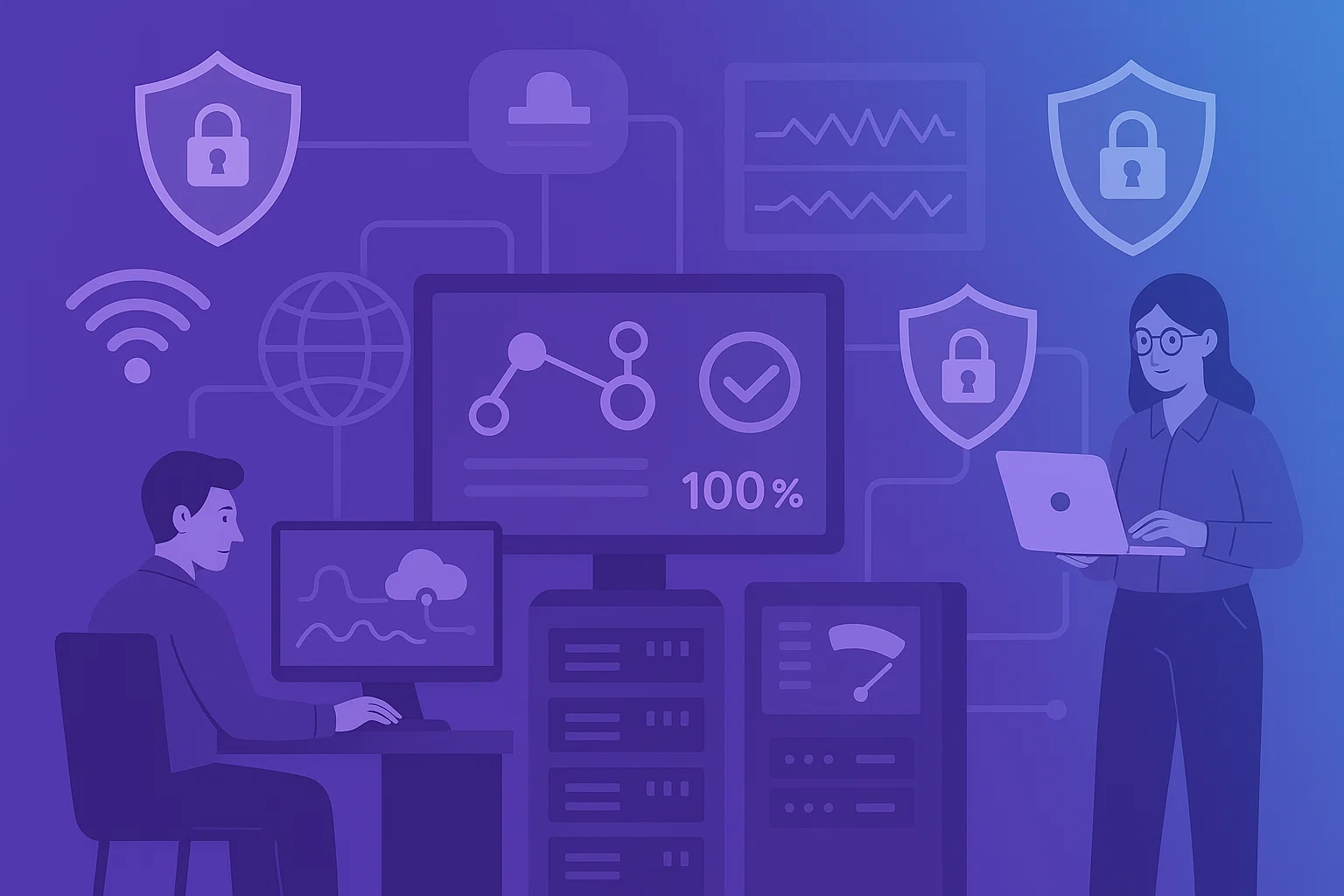
2025's Top Network Security Solutions: Your Comparative Guide
The cybersecurity landscape has transformed dramatically as organizations worldwide embrace digital transformation and remote work models. With the global network security market projected to reach $27.19 billion in 2025 and growing at a compound annual growth rate of 8.02%, choosing the right security solution for your business has never been more critical. Whether you're a tech-savvy CISO or a business leader looking to strengthen your organization's defenses, understanding the differences between today's leading security approaches—SASE, NGFW, and XDR—is essential for making informed decisions that protect your digital assets. Understanding the Three Pillars of Modern Network Security SASE: The Cloud-Native Security Revolution Secure Access Service Edge (SASE) represents a paradigm shift in how we approach network security. By combining networking and security services into a single, cloud-delivered platform, SASE addresses the challenges of our increasingly distributed work environment. What makes SASE unique? SASE integrates five core components: SD-WAN for optimized connectivity, Zero Trust Network Access (ZTNA) for secure remote access, Secure Web Gateway (SWG) for web protection, Cloud Access Security Broker (CASB) for cloud app security, and Firewall as a Service (FWaaS) for network protection. This unified approach eliminates the complexity of managing multiple point solutions while providing consistent security policies regardless of user location. Who should consider SASE? Organizations with distributed workforces, multiple branch offices, or those embracing cloud-first strategies will find SASE particularly valuable. It's especially effective for companies where traditional network perimeters have dissolved due to remote work and cloud adoption. NGFW: The Evolution of Perimeter Defense Next-Generation Firewalls (NGFWs) have evolved far beyond their traditional packet-filtering predecessors. Modern NGFWs operate across multiple layers of the network stack, providing deep packet inspection, application awareness, intrusion prevention, and integrated threat intelligence. What sets NGFWs apart? Unlike traditional firewalls that only examine ports and protocols, NGFWs can identify specific applications and users, apply granular security policies, and detect sophisticated threats using advanced analytics and machine learning. They serve as intelligent gatekeepers that can distinguish between legitimate business traffic and potential security threats. When does NGFW make sense? NGFWs excel in scenarios where you need robust perimeter defense, network segmentation, and granular application control. They're particularly valuable for data centers, campus networks, and organizations with well-defined network boundaries. XDR: The Unified Threat Response Platform Extended Detection and Response (XDR) breaks down the silos between different security tools by collecting and correlating data from endpoints, networks, cloud environments, email systems, and identity platforms. This holistic approach provides security teams with a comprehensive view of threats across their entire IT infrastructure. What makes XDR powerful? XDR's strength lies in its ability to connect the dots between seemingly isolated security events. By using AI and machine learning to analyze vast amounts of security telemetry, XDR can detect sophisticated, multi-stage attacks that might otherwise go unnoticed. It significantly reduces the Mean Time to Detect (MTTD) and Mean Time to Respond (MTTR) to security incidents. Who benefits most from XDR? Organizations facing sophisticated threats, those with limited security staff, or businesses that have struggled with alert fatigue from multiple security tools will find XDR's unified approach particularly valuable. Market Leaders and Their Competitive Advantages SASE Market Leaders Palo Alto Networks continues to dominate the SASE landscape, maintaining its leadership position for three consecutive years in Gartner's Magic Quadrant. Their Prisma SASE platform combines industry-leading security capabilities with global network infrastructure, making it ideal for large enterprises with complex security requirements. Fortinet has ascended to the leaders' quadrant in 2025, leveraging competitive pricing and strong SD-WAN integration. With annual recurring revenue of $1.15 billion in their SASE business, Fortinet offers excellent value for organizations seeking integrated security and networking. Netskope and Cato Networks round out the leaders' quadrant, each bringing unique strengths. Netskope excels in cloud security and data protection, while Cato Networks pioneered the single-vendor SASE approach with their cloud-native architecture. NGFW Market Champions Palo Alto Networks leads the NGFW market with comprehensive threat prevention capabilities and seamless integration with their broader security ecosystem. Their solutions excel in high-throughput environments and provide industry-leading threat detection accuracy. Fortinet's FortiGate series stands out for its performance-to-cost ratio and ASIC-based acceleration technology. With over 50% global market share, FortiGate NGFWs offer scalable solutions from small businesses to large enterprises. Check Point Software maintains its position as a trusted leader with 22 years of Gartner recognition, focusing on proven threat prevention and low false positive rates. Their solutions excel in highly regulated industries requiring consistent security maturity. Cisco's Secure Firewall (formerly Firepower) provides strong integration with existing Cisco infrastructure, making it an attractive choice for organizations already invested in Cisco's networking ecosystem. XDR Industry Leaders CrowdStrike Falcon XDR leads the market with its cloud-native architecture and comprehensive threat intelligence capabilities. Their platform integrates with hundreds of third-party security tools and offers managed threat hunting services. Palo Alto Networks Cortex XDR leverages advanced analytics and machine learning for behavioral threat detection. Their platform excels in providing comprehensive attack timelines and automated response capabilities. Microsoft Defender XDR offers strong integration with Microsoft's ecosystem, making it attractive for organizations heavily invested in Microsoft technologies. Their pricing model often provides excellent value for existing Microsoft customers. SentinelOne Singularity XDR stands out for its autonomous detection and response capabilities, using AI to identify and contain threats without human intervention. Pricing Models and Deployment Considerations SASE Pricing Strategies SASE pricing varies significantly across providers, with per-user models being the most common approach. Organizations typically see pricing ranging from $20-100 per user per month, depending on the security features and bandwidth requirements. Cato Networks offers location-based pricing starting around $2,000 per month per site for two gigabits of throughput, with SASE security features adding approximately 20% to the total cost. Fortinet's SASE solution provides competitive pricing with simplified licensing, making it attractive for cost-conscious organizations. NGFW Cost Structures NGFW pricing typically follows a pay-as-you-go or credit-based model. Palo Alto Networks Cloud NGFW charges $1.50 per hour for deployment plus $0.065 per GB for the first 15TB of traffic. Google Cloud NGFW Enterprise offers similar pricing at $1.75 per hour with $0.018 per GB processing costs. Traditional on-premises NGFWs often require significant upfront hardware investments but may offer lower operational costs for high-traffic environments. XDR Investment Models XDR solutions typically range from $5-50 per endpoint per month, with enterprise packages offering volume discounts. CrowdStrike Falcon Enterprise is priced at $184.99 per device annually, while Trend Micro starts at $29.95 per user per year. Microsoft 365 Defender often provides the most cost-effective option for organizations already using Microsoft ecosystems, with prices starting at $20 per user per month. Deployment Models: Finding Your Perfect Fit Cloud vs. On-Premises vs. Hybrid Cloud deployment offers the fastest implementation and lowest upfront costs, making it ideal for organizations with distributed workforces or limited IT infrastructure. SASE solutions are inherently cloud-native, providing global coverage through strategically located Points of Presence. On-premises deployment provides maximum control and may be required for highly regulated industries or organizations with strict data sovereignty requirements. NGFWs excel in this model, offering robust performance for data centers and campus networks. Hybrid deployment combines the benefits of both approaches, allowing organizations to maintain on-premises control for sensitive workloads while leveraging cloud scalability for other services. This model works particularly well for XDR solutions, which can collect data from both environments. Considerations for Different Organization Sizes Small to Medium Businesses often benefit most from cloud-based SASE solutions due to their lower complexity and reduced management overhead. These organizations typically lack the resources to manage complex on-premises security infrastructure. Large Enterprises have more flexibility in choosing deployment models and often benefit from hybrid approaches that combine on-premises NGFWs for data centers with cloud-based SASE for remote users. Global Organizations find SASE particularly valuable due to its ability to provide consistent security policies across multiple regions and jurisdictions. Making Your Decision: Key Factors to Consider Organizational Readiness Assessment Before selecting a solution, evaluate your organization's current security maturity, available resources, and technical expertise. XDR solutions require mature security operations teams to fully leverage their capabilities, while SASE may be more suitable for organizations with limited security staff. Consider your existing technology investments and integration requirements. Organizations heavily invested in specific vendor ecosystems may find integrated solutions more cost-effective and easier to manage. Future-Proofing Your Investment The cybersecurity landscape continues to evolve rapidly. Look for solutions that offer AI-driven capabilities, API integration for future tools, and flexible licensing models that can adapt to changing requirements. Consider the vendor's innovation track record and investment in research and development. Market leaders like Palo Alto Networks, Fortinet, and CrowdStrike consistently invest in emerging technologies and threat research. Compliance and Regulatory Requirements Different industries have varying compliance requirements that may influence your choice. Healthcare and financial services organizations often require specific certifications and audit capabilities that are better supported by enterprise-grade solutions. Ensure your chosen solution can provide the necessary logging, reporting, and compliance features required by your industry regulations. The Path Forward: Best Practices for Implementation Start with a Risk Assessment Conduct a comprehensive risk assessment to understand your organization's unique threat landscape and security gaps. This assessment should consider your data types, user behavior patterns, application portfolio, and existing security controls. Pilot Before Full Deployment Implement a pilot program with a subset of users or applications to validate the solution's effectiveness in your environment. This approach allows you to identify configuration issues, user experience challenges, and integration requirements before full-scale deployment. Invest in Training and Change Management Security solutions are only as effective as the people using them. Invest in comprehensive training programs for both IT staff and end-users to ensure successful adoption and maximize the solution's value. Monitor and Optimize Continuously Network security is not a set-and-forget proposition. Establish continuous monitoring processes, regularly review security policies, and stay informed about emerging threats and best practices. As we navigate the complex cybersecurity landscape of 2025, the choice between SASE, NGFW, and XDR solutions ultimately depends on your organization's unique requirements, existing infrastructure, and strategic objectives. SASE excels for distributed, cloud-first organizations; NGFW provides robust perimeter defense for traditional network architectures; and XDR offers comprehensive threat response for security-mature organizations. Conclusion The most successful cybersecurity strategies often combine multiple approaches, leveraging each solution's strengths to create a comprehensive defense posture. By understanding the capabilities, costs, and deployment considerations of each option, you can make informed decisions that protect your organization while enabling business growth and innovation. Remember that the best security solution is one that your organization can effectively implement, manage, and maintain. Consider starting with the approach that aligns most closely with your current capabilities and evolving toward a more comprehensive strategy as your security maturity grows.
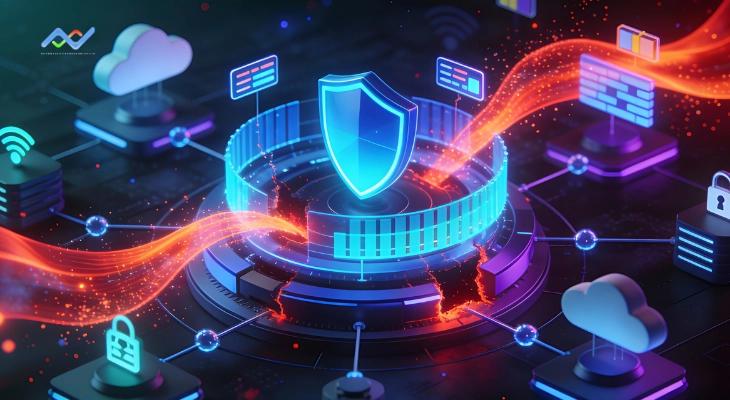
Best Network Security Solutions for Campus Networks in 2026 Your Complete Guide
Imagine walking into a university campus where thousands of students connect their phones, laptops, and smart devices, simultaneously streaming lectures, accessing research databases, and collaborating on projects. Now imagine all of this happening without a security breach, lag, or downtime. Sounds like magic? It's not. It's what modern campus network security makes possible in 2026. Campus networks face unique challenges today, from protecting sensitive student data to managing thousands of IoT devices such as smart boards, security cameras, and door locks. Whether you're a school IT administrator or a business running a corporate campus. Why Campus Network Security Matters More Than Ever Campus networks are like digital cities, and understanding the financial impact of threats, such as the $813.55 million paid in ransomware in 2024, underscores why implementing firewalls, access controls, and threat detection is crucial for protecting valuable data and maintaining trust. The challenge has grown because modern campuses aren't just about computers anymore. Today's campus networks must support: Thousands of smartphones and tablets IoT devices like smart thermostats and surveillance cameras Cloud-based learning platforms and collaboration tools Remote access for students and staff working from home Top Campus Network Security Solutions for 2026 Zero Trust Architecture It is an inspiring confidence in your security approach for IT professionals and campus leaders. Think of Zero Trust like airport security, everyone gets checked, no exceptions. Unlike traditional security, which trusts anyone inside the network, Zero Trust verifies every user and device each time they try to access something. By 2026, 81% of organizations plan to implement Zero Trust because it provides stronger protection against both external hackers and insider threats. This approach works by: Authenticating every user before granting access Limiting access based on job roles (students can't access payroll systems) Continuously monitoring for suspicious behavior Next-Generation Firewalls (NGFWs) is Your Digital Security Guards Traditional Firewall Next-Generation Firewall Blocks basic threats Detects sophisticated attacks using AI Checks incoming traffic only Inspects all traffic, including encrypted data Manual updates Automatic threat intelligence updates Limited visibility Complete application and user visibility Fortinet FortiGate and Palo Alto Networks lead the NGFW market with AI-powered threat detection that learns from millions of attacks worldwide. These systems can automatically block suspicious activity before it causes damage, much like your email filters block spam without you noticing. SASE Platforms Where Security Meets Connectivity Secure Access Service Edge (SASE) is like having a security guard who travels with you wherever you go. It combines network security with cloud-based access, making it ideal for campuses where students and staff work from multiple locations. Fortinet has been recognized as a Leader in the 2025 Gartner Magic Quadrant for SASE Platforms, offering unified security management through a single operating system. This means: One dashboard controls everything, no juggling multiple security tools Secure access whether users are on campus, at home, or traveling Built-in SD-WAN for optimized network performance Real-time AI-powered security that adapts to new threats Network Access Control (NAC) is Your Digital Bouncer NAC solutions act like bouncers at an exclusive club; they check IDs and decide who gets in. These systems ensure only authorized and secure devices connect to your campus network. For example, if a student's laptop doesn't have updated antivirus software, NAC can: Block it from connecting to the network Redirect it to a quarantine area for updates Send alerts to IT administrators Allow limited access only to essential services Endpoint Detection and Response (EDR) EDR tools are like having thousands of security cameras recording everything that happens on every device. They continuously monitor all computers, phones, and tablets connected to your network. Leading EDR Solutions for Campus Networks: CrowdStrike Falcon uses behavioral AI to detect threats that traditional antivirus software might miss, like ransomware that disguises itself as legitimate software. It maps threats to the MITRE ATT&CK framework, helping security teams understand exactly what attackers are trying to do. SentinelOne Singularity offers autonomous response capabilities, meaning it can automatically stop attacks without waiting for human intervention. If ransomware starts encrypting files, SentinelOne can roll back the changes and automatically restore everything. Microsoft Defender provides native integration with Windows systems and collects data from endpoints, networks, and cloud environments for comprehensive threat detection. Wi-Fi 6 and Wi-Fi 6E Modern campus networks need wireless technology that handles thousands of devices without slowing down. Wi-Fi 6 and Wi-Fi 6E deliver: Support for thousands of simultaneous connections in crowded areas like lecture halls Extended battery life for mobile devices through Target Wake Time technology Reduced interference by using the 6 GHz spectrum Better encryption standards for enhanced security Emerging Cybersecurity Trends Shaping Campus Networks in 2026 AI-Powered Attacks and Defenses Artificial intelligence has become a double-edged sword in cybersecurity. Cybercriminals now use AI tools to create sophisticated phishing emails that perfectly mimic your school's writing style. In Q4 of 2024 alone, over 989,000 phishing attacks were reported. However, AI also strengthens defenses through: Autonomous threat detection that learns from patterns Real-time anomaly identification Automated response systems that act faster than humans Deepfake Threats Deepfake technology can create fake videos of school administrators or company executives making false announcements. In one shocking case, a finance employee transferred $25 million after a video call during which every participant, including the CFO, was a deepfake. Campus networks must now deploy deepfake detection tools that analyze facial movements, audio patterns, and video inconsistencies to identify manipulated content. Quantum-Resistant Cryptography While quantum computers capable of breaking current encryption won't arrive until the late 2030s, organizations are preparing now. The National Institute of Standards and Technology (NIST) has already announced four quantum-resistant algorithms to protect data in the long term. Vulnerability Assessment and Penetration Testing (VAPT) VAPT tools are essential for proactively identifying weaknesses before hackers do, acting like a fire drill to test and strengthen your campus network defenses against potential exploits. Vulnerability Assessment and Penetration Testing (VAPT) tools help identify weaknesses before hackers exploit them. Think of it like a fire drill: you test your defenses to find problems when there's no real danger. Top VAPT Tools for 2026: ZeroThreat: Excels at securing web applications and APIs with automated penetration testing capabilities Nessus: Performs comprehensive vulnerability scanning across networks, systems, and applications Qualys: Offers cloud-based continuous vulnerability management with compliance monitoring Best Practices for Implementing Campus Network Security Design a Hierarchical Network Architecture Structure your network in three layers: https://blog.synergyit.ca/build-a-secure-and-scalable-campus-network/Core Layer: The backbone that connects everything Distribution Layer: Routes traffic between different parts of the campus Access Layer: Where users and devices actually connect This separation makes it easier to manage security, troubleshoot problems, and scale as your campus grows. Segment Your Network with VLANs Virtual LANs (VLANs) create separate digital neighborhoods within your network. For example: Student devices in one VLAN Faculty workstations in another IoT devices like security cameras in a third Administrative systems in a highly secured VLAN This segmentation prevents problems in one area from affecting others and limits what attackers can access if they breach one segment. Implement Regular Security Audits Conduct periodic security audits and penetration tests to identify vulnerabilities before attackers do. This proactive approach helps you stay ahead of emerging threats and compliance requirements. Monitor Everything Continuously Use AI-powered monitoring tools to track network performance, detect anomalies, and respond to suspicious activities in real-time. Centralized management platforms simplify configuration, updates, and troubleshooting across your entire campus network. Industry Leaders and Solutions Overview Vendor Key Strength Best For Fortinet Unified SASE platform with AI-powered security Large campuses needing comprehensive solutions Cisco Extensive WLAN portfolio and market leadership Enterprise-scale deployments Palo Alto Networks Advanced threat prevention Organizations prioritizing threat intelligence CrowdStrike Behavioral AI endpoint protection Real-time threat detection and response Aruba (HPE) Campus wireless expertise Educational institutions The Future of Campus Network Security Looking ahead to 2026 and beyond, several trends will reshape campus network security: Agentic AI systems will enable both attackers and defenders to use autonomous agents that probe defenses, identify weaknesses, and respond to threats without human intervention. Supply chain attacks are expected to affect 45% of organizations by 2025, making vendor security assessments critical. Insider threats cost organizations an average of $17.4 million annually, underscoring the importance of employee training and access controls. Quantum computing preparation requires organizations to begin transitioning to quantum-resistant cryptography now, even though the threat is years away. How Networsys Technologies LLP Can Help? At Networsys Technologies LLP, we understand that protecting your campus network isn't just about installing firewalls; it's about creating a comprehensive security strategy that grows with your organization. Since 2016, we've been helping educational institutions, corporate campuses, and enterprises build secure, scalable network infrastructures. Our approach combines cutting-edge cybersecurity solutions with practical implementation strategies. From VAPT assessments that identify vulnerabilities to complete network security architecture design, we deliver end-to-end solutions tailored to your specific needs. Our team stays current with the latest Gartner Magic Quadrant recommendations and industry best practices to ensure you receive world-class protection. Whether you need endpoint security, SASE implementation, Network Access Control, or comprehensive security audits, Networsys Technologies LLP LLP serves as your trusted partner in digital transformation. We've completed over 10,000 projects and served more than 2,000 satisfied customers across IT, healthcare, real estate, financial services, and education sectors. Contact us at +91-7827027504 or email [email protected] for a free consultation. Let's work together to transform your campus network from a potential vulnerability into a fortress of digital security. Conclusion Building a secure campus network in 2026 requires balancing accessibility with protection, convenience with control, and innovation with stability. By implementing Zero Trust Architecture, deploying Next-Generation Firewalls, adopting SASE platforms, and utilizing EDR tools, you can create a network that protects your most valuable assets while enabling the seamless connectivity modern campuses demand. Remember, network security isn't a one-time project; it's an ongoing journey. Stay informed about emerging threats, regularly update your defenses, and partner with experienced cybersecurity firms like Networsys Technologies LLP to navigate the complex landscape of campus network security. About the Author: This article was researched and written by the cybersecurity team at Networsys Technologies LLP LLP, drawing on industry reports from Gartner, real-world implementation experience, and insights from leading security vendors. With over 9 years of experience in IT managed services, networking, and cybersecurity, Networsys Technologies LLP brings practical expertise to help organizations build secure, scalable digital infrastructures.