Our Blogs
- Home
- Blog
How We've Empowered
Businesses
with InnovativeTech Solutions
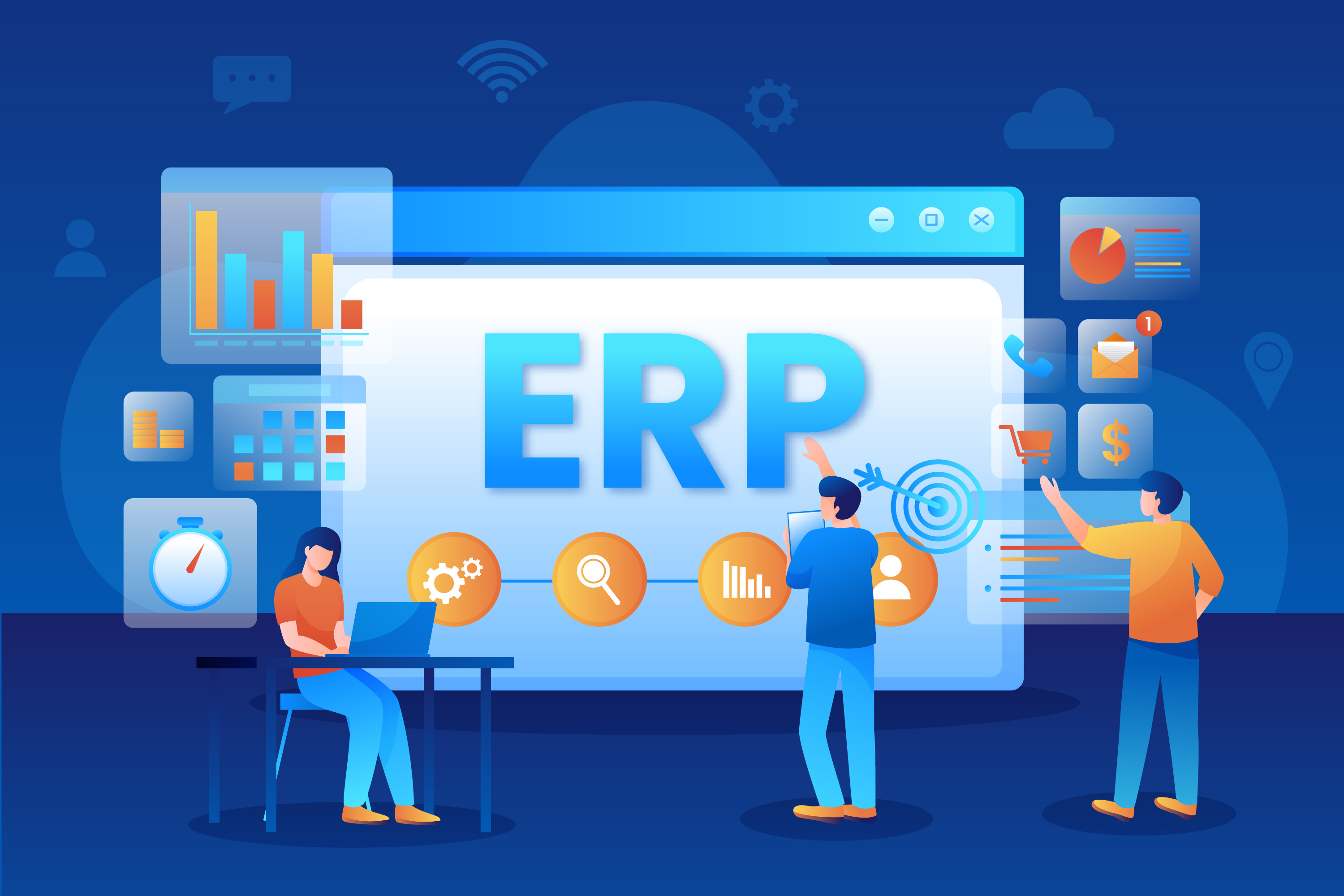
What are the top 4 Benefits of School ERP Software ?
WHAT ERP SOFTWARE? ERP stands for Enterprise Resource Planning. ERP is a type of system or software that organizations/enterprises use to manage and integrate their core business processes. It is also used to manage all the data of an enterprise. Imagine, an institution like a school or college has so many operations, data and so much information to be processed simultaneously and deliver every task on time, rapidly. ERPs are designed to smoothen and unify various functions across different departments providing a centralized database and a COMMON software platform What Does The School Erp Software Do? ERP Software for schools/colleges is a type of software/ system that helps to direct, organize, lead and control the various aspects of running an institution such as attendance, fees, exams, payroll, etc. HOW USER FRIENDLY ARE SCHOOL ERP SOFTWARE? NETWORSYS ERP, the most modern school/college ERP software, is designed with usability in mind to cater to users with varying levels of technical proficiency. It is made sure that users are able to navigate the system easily and find the information they need without unnecessary complexities. Sometimes, even the most user-friendly ERP systems may be challenging, if users are not familiar with its features! Adequate and comprehensive training is really crucial and is given to all the users. USER ROLES AND PERMISSIONS Appropriate user roles and permissions are also assigned, which ensures that the users only have access to data which is relevant to their very responsibilities. COST OF IMPLEMENTATION AND MAINTENANCE OF THE INSTITUTIONAL ERP SYSTEMS The cost of implementing and maintaining an ERP (Enterprise Resource Planning) system for a school can vary widely based on several factors. It’s essential to consider both upfront costs and ongoing expenses. WHAT ARE THE 4 MAIN BENEFITS OF SCHOOL ERP SOFTWARE? The cost of implementing and maintaining an ERP (Enterprise Resource Planning) system for a school can vary widely based on several factors. It’s essential to consider both upfront costs and ongoing expenses. 1. Teachers Get A Practical Advantage With very efficient lesson planning, teachers can easily access and organize curriculum materials, create lesson plans and collaborate with other teachers. This smoothens the planning process, saves time and ensures consistency. They can manage the grading system and input grades directly into this ERP system, this allows for quick and accurate assessment of student performance- REDUCING THE ADMINISTRATIVE BURDEN ON TEACHERS, SO THAT THEY CAN CONCENTRATE MORE ON THEIR TEACHING PART. With real time access to student data, assessment tracking, generating simplified academic reports directly into this ERP system, improves the classroom productivity and helps your institution actually grow rapidly. 2. A Centralized Platform For Both Students And Parents ERP (Enterprise Resource Planning) ensures timely and direct communication regarding academic information, important announcements, upcoming events, individual regular student performance. All this develops a very collaborative relationship between home and school. ERP systems include a repository of online learning resources, where students can easily access- educational materials, assignments and supplementary resources which encourages any student to introspect and become independent and conduct self-study sessions, outside of the classroom. For all the working parents, who have a really hectic schedule, paying fees with just one click with access in their mobile phones, makes the entire school-home ecosystem absolutely stress-free! 3. Improved Cost-Savings And Resource Allocation. The ERP systems integrate and automate all the business processes, which reduces any sort of manual data entry and redundant tasks, which not only saves time, increases operational efficiency and minimizes the costs related to data correction and reconciliation. This also facilitates quicker and more informed decision making, adapting to the market changes, identifying cost saving opportunities and responding to any challenges that come up. 4. Increased Student Admissions A very efficient admission process through ERPs makes it very user-friendly. Smooth online application forms, document uploads and automated application reviews reduce administrative bottlenecks, providing a very positive experience for students and parents. Along with the admissions, the enrollments and payments become so effortless on the parents’ or students’ part, that its a delight for both the parties to join and register. Prospective students and parents can easily track their applications and admissions through the ERP systems. This transparency build confidence in the school’s commitment to a fair and organized admission process. Here the schools can also conduct entrance exams and assessments, which can be particularly beneficial for attracting candidates from DIVERSE GEOGRAPHIC LOCATIONS. Conclusion The integration of technologies in schools and colleges have revolutionized the teaching and learning experiences for the students, teachers and the parents too. Schools or colleges have a very complex system with various departments like admission, academics, finance and human resources. Each department has its own set of tasks, responsibilities and information. These traditional systems are using different systems and files to manage their work, making it very difficult to share information smoothly. Here now comes ERP to the rescue. ERP is like a super-organized, SMART software that connects all these departments and their functions into ONE UNIFIED SMOOTH SYSTEM. After the ERP system, databases of different departments are managed by one system called ERP system. It keeps track of all the databases within the system. In this scenario, employees of one department have information regarding the other departments. The launch of ERP (Enterprise Resource Planning) in schools and colleges has not only increased efficiency, but also has become a pivotal factor attracting students and parents to seek admission in technologically advanced schools. P
2025 Guide to Choosing the Best ERP Development Company in Ahmedabad
What is an ERP? In today’s fast-paced world, businesses need solutions that streamline operations, enhance productivity, and provide real-time insights. That is where ERP (Enterprise Resource Planning) systems come into play. ERP systems help businesses manage and automate many processes such as financial, inventory, human resources and customer relationships. Ahmedabad is growing rapidly as one of the most promising IT centers in India with many companies that have developed sophisticated ERP software applications. If you are a business, who is in an urgent need of ERP software development in Ahmedabad, you are a fortunate one. Through this blog, you will learn about the best ERP development companies in Ahmedabad that can provide you with the most suitable ERP solutions. How to Choose the Right ERP Development Company in Ahmedabad Industry Expertise Get to know if the company has the expertise in the industry you are operating in for appropriate ERP. Customization Options Search for some companies that deal with the development of ERP solutions for the small business located in Ahmedabad. After-Sales Support Ensure they provide post-implementation assistance for any problems that may be associated with the software as well as improvements. Integration Capabilities To integrate with the current systems used in the business, select a firm offering ERP integration services in Ahmedabad. Client Reviews Go to the section of the customers that have used the services of ERP development companies in Ahmedabad to have an insight into their experience. Cost-Effectiveness Use the price comparison to determine which ERP development services Ahmedabad are within your budget. Top 10 Best ERP Development Companies in Ahmedabad In search of reputable ERP consulting firms in Ahmedabad that can enhance your business operations? ERP systems provide useful enablers such as, automation, CRM, data analytics, and accounts that provide better operational flow to organizations leading to efficient and effective business functioning. Selecting the correct ERP software not only automizes work but also has a good ROI as it brings improvements in many areas. Here is a list of leading ERP solution companies in Ahmedabad that have experienced implementing ERP solutions in several organizations. 1. Networsys Technologies Rating: 5.0 (100+ Reviews) Established: 2016 Team Size: 200+ Key Services: ERP Development, Customer Relationship Management Solutions, Human Resource Management System Development, Supply Chain Management Software Solutions, Marketing Automation Warehouse Present in the fabric of ERP development companies in Ahmedabad, Networsys Technologies works as a reliable ERP solution provider at any scale of business. Specializing in ERP, Networsys incorporates ideal ERP solutions combined with new technologies tailored to further improve enterprise operations. These ERP solutions are more famous for enhancing operational effectiveness as well as for enabling operational decision-making. This firm offers customized solutions in the shape of ERP models that can enhance the interested companies’ ventures in terms of inventory control, financial and managerial accountancy, and customer relationship management. SOURCE- Top 10 Best ERP Development Companies in Surat- Your Ultimate Guide – Networsys Blog 2. SoluLab Rating: 5.0 (65 Reviews) Established: 2014 Team Size: 250 – 999 Key Services: ERP consulting, Distributed ledger blockchain solution, Artificial Intelligence solution Some of the advanced ERP solutions are provided by SoluLab which has integration with technologies like AI, Blockchain, and IoT. They enhance tools and strategies that would foster growth and increased organizational effectiveness. 3. Candid Root Solutions India Private Limited Rating: 5.0 (2 Reviews) Established: 2014 Team Size: 10 – 49 Headquarters: Ahmedabad, India Key Services: Odoo ERP Development CandidRoot is a company specialized in Odoo ERP solutions, covering both the customization and deployment of the software. 4. Epnovate Technology Pvt. Ltd. Rating: 5.0 (6 Reviews) Established: 2016 Team Size: 10 – 49 Key Services: SAP ECC & S4 HANA Consulting and Implementation, Support and Systems Integration Epnovate Technology Pvt. Ltd. is the SAP software development company which provides the complete SAP solution. Their services include consultancy,deployment, integration and outsourcing services for various sectors. The services of the company mainly revolve around offering solutions of SAP ECC and S4 HANA according to the needs of a client. Unique Strengths: Concentrating mainly on the designing of SAP software. Serving both ECC sixth release and HANA are available. Known for delivering high quality consulting and integration services they are one of the leading players in the industry. 5. Tripearltech Private Limited Rating: 4.0 (2 Reviews) Established: 2021 Team Size: 10 – 49 Key Services: The relevant Microsoft family products are Microsoft Dynamics NAV, CRM, AX, D365 Business Central, D365 Finance & Operations Tripearltech Private Limited is an organization focused mainly on providing on premise as well as hosted Microsoft ERP. Its solutions cover Dynamics NAV, CRM, AX, and D365 Business Central. Softgroup Technologies is credited for offering solution implementation services, and ERP consulting services to clients cutting across the different fields. Unique Strengths: Specialization in MS based ERP solutions. Specializes in ER P solutions and their on premise based as well as cloud based deployments. Blogs only on Dynamics 365 Business Central and Dynamics Finance and Operations. 6. Techcronus Business Solutions Rating: 5.0 (14 Reviews) Established: 2010 Team Size: 50 – 249 Key Services: ERP Consulting, Custom Software Development, IT Consulting Techcronus Business Solutions is an international ERP solutions company that utilizes advanced technology solutions which are focused very much on ERP advisory services. They provide specialized services and new generation technologies assistance to their clients to integrate and optimize business operations. Unique Strengths: Vendor specialized in delivering personalized ERP consulting solutions. A notable organization for the implementation of new change through the ADA sausage manufacture Agile values. A global list of clients plus commercials has a high client’s satisfaction rating. 7. Aimdek Technologies Rating: 4.7 (6 Reviews) Established: 2014 Team Size: 50 – 249 Key Services: ERP Consulting, Implementation Services and IT Solutions Aimdek Technologies operates in the niche market of providing infrastructure technology and Enterprise Resource Planning solutions to organizations all over the world. Their portfolio of ERP services focuses on rendering support to clients in improving the processes of their business, with the help of efficient strategies and ideas. Unique Strengths: Specialization in computer equipment and ERPs. Offers strategies for growth that is emerging from the use of technology. Concentration on provision of quality ERP services in various sectors. 8. Technovisors Rating: 5.0 (2 Reviews) Established: 2021 Team Size: 2 – 9 Key Services: Consulting IT, Consulting ERP, Marketing Digital Technovisors is one of the smallest firms in terms of its headcount but it is wholly focused on the consulting business across ERP, IT, and digital marketing. Technovisors is a young company, but the company understands the importance of delivering quality services adapted towards the needs of the clients and their businesses. Unique Strengths: Provides consulting services and ERP consulting services. Specializes in professional and corporate digital marketing solutions. While the Librero company per se is not known for professional content writing service. 9. ERP Mangtaa Rating: Not Available Established: Not Available Team Size: 10 – 49 Key Services: ERP Consultancy, System Integration, Software licensing ERP Mangtaa centers on delivering software as a service or SaaS ERP solutions for corporate business processes. They are involved in development of ERP products that can transform and introduce automation in current business processes. Unique Strengths: Provides SaaS based ERP solutions and services mainly in automation solutions. Real-time Enterprise Resource Planning software solutions of various grades of customization. Focused on increasing the effectiveness and decreasing the expenses of operations. 10. Accusol Rating: 4.5 (1 Review) Established: 2007 Team Size: 50 – 249 Key Services: ERP, CRM, Point of Sale(POS),Human Resource & Payroll Software Accusol Technologies offers ERP systems, CRM, Point of Sale (POS), and Human Resource and Payroll software. They are particularly recognized for providing timely and correct business solutions that suit small and medium enterprises. Unique Strengths: Employment of consultants with high levels of domain-specific knowledge in ERP, CRM and POS software. Thus, it specializes in providing SMEs with customized software solutions. Emphasize on sustaining a high level of accuracy on what you offer as a solution. SOURCE- Top ERP Development Companies in Ahmedabad – Sep 2024 Reviews | GoodFirms CONCLUSION Ahmedabad is packed with some of the finest ERP solution providers but Networsys Technologies remains ahead of them all because of their services, client satisfaction and not to mention, their ECONOMICAL RATES. Anyone in business, be it a new, a small one, or a giant multinational firm today will tell you that the right choice of ERP development company in Ahmedabad can indeed make or break any enterprise.
Top 10 Best ERP Development Companies in Surat- Your Ultimate Guide
In today’s rapidly evolving business landscape, efficient resource management is paramount for organizational success. Enterprise Resource Planning (ERP) systems play a critical role in streamlining business processes by integrating various functions like finance, human resources, supply chain, and more into a unified platform. Implementing a robust ERP solution can significantly enhance productivity, improve decision-making, and provide a competitive edge. Surat, traditionally known for its thriving diamond and textile industries, is emerging as a burgeoning tech hub in India. The city’s growth in the IT sector has led to the rise of several top-notch ERP development companies offering innovative and customized solutions to businesses locally and globally. This comprehensive guide will explore the top 10 ERP development companies in Surat and provide valuable insights on how to choose the right partner to meet your organization’s unique needs. Why Surat Is Emerging as a Tech Hub for ERP Development Surat, often celebrated for its dominance in the diamond and textile markets, is now carving a niche in the Information Technology sector. A combination of factors fuels this transformation: Skilled Talent Pool: Surat boasts a growing community of IT professionals, engineers, and developers, thanks to reputable educational institutions and training centres in the region. Cost-Effective Solutions: Businesses can leverage competitive pricing without compromising on quality, making Surat an attractive destination for ERP development services. Innovative Ecosystem: The city’s entrepreneurial spirit fosters innovation, leading to the creation of bespoke ERP solutions tailored to diverse industry needs. These factors make Surat a compelling choice for organizations seeking reliable and innovative ERP development partners. Top 10 Factors to Consider When Choosing an ERP Development Company in Surat Selecting the right ERP development partner is a critical decision that can significantly impact your organization’s efficiency and growth. Here are ten essential factors to consider when evaluating ERP development companies in Surat: Industry Expertise: Choose a company with proven experience in your specific industry. An ERP provider familiar with your sector will better understand your unique challenges and requirements, ensuring a more effective solution. Customization Capabilities: Ensure the company offers flexible and customizable ERP solutions that can be tailored to your business processes rather than forcing you to adapt to a rigid system. Integration Services: The ERP system should seamlessly integrate with your existing software applications, such as Customer Relationship Management (CRM) tools, accounting software, and other essential systems. User-Friendly Interface: A user-centric design is crucial for adoption. The ERP solution should be intuitive and easy for your team to learn and use effectively. Scalability: As your business grows, your ERP system should be able to scale accordingly. Verify that the provider can accommodate future expansions or modifications. Cost-Effectiveness: While budget considerations are important, focus on the value delivered rather than just the price. A cost-effective solution balances affordability with quality and functionality. Support and Maintenance: Post-implementation support is vital. Choose a company that offers reliable ongoing maintenance, updates, and customer support to address any issues promptly. Client Reviews and Testimonials: Research feedback from other clients to gauge the company’s reputation and the quality of its services. Positive testimonials and case studies can provide valuable insights. Compliance and Security: Ensure the ERP provider adheres to industry compliance standards and employs robust security measures to protect your sensitive data. Timely Delivery: Evaluate the company’s track record for delivering projects on schedule. Timely implementation minimizes disruptions and accelerates your return on investment. The Top 10 ERP Development Companies in Surat Here is a curated list of the top ERP development companies in Surat, known for their expertise, innovative solutions, and commitment to customer satisfaction. Networsys Technologies Networsys Technologies is a leading ERP development company in Surat, renowned for delivering efficient and flexible ERP solutions tailored to various industries. They specialize in developing comprehensive ERP modules that streamline business processes and enhance productivity. Key Offerings: Human Resource Management System (HRMS): Streamlines employee data management, payroll, attendance tracking, and other HR functions. Learning Management System (LMS): Facilitates systematic corporate training and development programs for effective knowledge acquisition. Industry-Specific ERP Solutions: Offers customized ERP systems for industries like manufacturing, retail, and services, integrating all primary business functions into a unified platform. Why Choose Networsys Technologies: Customized Solutions: Recognizes that each business is unique and provides ERP systems that are adaptable and scalable. Mobile-Friendly Platforms: Develop ERP solutions that are accessible across devices, ensuring flexibility and convenience. Quality and Customer Focus: Committed to delivering high-quality products with a strong emphasis on customer satisfaction. Industry Expertise: Extensive experience across various industries, enabling them to deliver tailored solutions. Innovative Approach: Utilizes the latest technologies to provide cutting-edge ERP solutions. Client-Centric: Focuses on understanding client needs to deliver solutions that drive business growth. Contact: Website: https://networsys.com/ Email: [email protected] Phone: 7827027504 Stridely Solutions Stridely Solutions is a globally recognized ERP development company with a strong presence in Surat. They offer end-to-end ERP services, from consultation to implementation, helping businesses optimize their operations. Key Offerings: ERP Consultation: Provides expert advice to design ERP systems that align with business objectives and processes. ERP Implementation: Ensures seamless integration of ERP solutions within existing systems. Integration Services: Offers services to integrate ERP systems with other enterprise applications for cohesive functionality. Why Choose Stridely Solutions: Industry Expertise: Extensive experience across various industries, enabling them to deliver tailored solutions. Innovative Approach: Utilizes the latest technologies to provide cutting-edge ERP solutions. Client-Centric: Focuses on understanding client needs to deliver solutions that drive business growth. RV Technologies RV Technologies is a reputable ERP software company in Surat that is known for its reliable and efficient ERP systems. They specialize in providing niche-based ERP solutions to industries like manufacturing, retail, and education. Key Offerings: Industry-Specific ERP Systems: Develops ERP solutions tailored to the specific needs of different sectors. Compliance Software Applications: Expertise in creating software that is compliant with industry regulations for regulated sectors. ERP Integration Services: Facilitates integration of ERP systems with existing applications to enhance operational efficiency. Why Choose RV Technologies: Customized Solutions: Delivers ERP systems that address unique business challenges. Technical Expertise: Skilled in the latest ERP technologies and compliance requirements. Strong Support: Offers robust post-implementation support and maintenance services. Brainvire Infotech Inc. Brainvire Infotech Inc. is an internationally recognized ERP development company with a significant presence in Surat. They offer a wide range of ERP solutions designed to streamline business operations and enhance productivity. Key Offerings: ERP Development: Creates custom ERP systems that align with business strategies and goals. ERP Integration Solutions: Integrates ERP systems with other enterprise applications for seamless data flow. Innovation-driven: Incorporates emerging technologies like AI and IoT into ERP solutions. Why Choose Brainvire Infotech: Global Experience: Brings international expertise and best practices to local businesses. Innovative Solutions: Focuses on delivering cutting-edge ERP systems. Proven Track Record: Has a strong reputation for successful ERP implementations across various industries. eZee Technosys eZee Technosys specializes in ERP solutions for the hospitality industry. Their comprehensive software suite addresses the unique needs of hotels, resorts, and other hospitality businesses. Key Offerings: Hotel Management Systems: Manages reservations, front desk operations, and guest services. Inventory Management: Tracks stock levels, purchases, and supplier information. Customer Relationship Management (CRM): Enhances guest engagement and loyalty through personalized experiences. Why Choose eZee Technosys: Industry Focused: Deep understanding of the hospitality sector’s requirements. Integrated Solutions: Provides all-in-one platforms to manage various aspects of hospitality businesses. Global Presence: Serves clients worldwide, bringing international standards to local companies. Kiran Infotech Kiran Infotech is a leading ERP software development company in Surat, offering robust solutions for small and medium-sized businesses (SMBs). They focus on enhancing business processes through innovative ERP systems. Key Offerings: SMB-Focused ERP Solutions: Tailors ERP systems to meet the specific needs of SMBs. Process Automation: Streamlines operations to improve efficiency and reduce costs. User-Friendly Interfaces: Designs intuitive systems that are easy to adopt. Why Choose Kiran Infotech: Affordability: Provides cost-effective solutions without compromising on quality. Personalized Service: Offers dedicated support to ensure client satisfaction. Scalable Solutions: ERP systems that grow with your business. Synergy ERP Solutions Synergy ERP Solutions offers robust ERP systems that are compatible with the manufacturing, healthcare, and education industries. They focus on delivering customizable solutions that adapt to changing economic conditions. Key Offerings: Customizable ERP Systems: Solutions that can be tailored to specific business needs. Industry-Specific Modules: Provides features designed for particular sectors. Future-Ready Technologies: Incorporates scalable architectures for long-term use. Why Choose Synergy ERP Solutions: Flexibility: Offers adaptable solutions that evolve with your business. Expert Team: Skilled professionals with deep industry knowledge. Reliable Support: Provides ongoing maintenance and support services. Gluconix Technologies Gluconix Technologies specializes in ERP development and implementation services, providing industry-specific solutions to overcome unique challenges. Key Offerings: ERP Development: Creates bespoke ERP systems aligned with industry requirements. Implementation Services: Expertly deploys ERP solutions with minimal disruption. Optimization Services: Enhances existing ERP systems for better performance. Why Choose Gluconix Technologies: Industry Expertise: Deep understanding of specific industry challenges. Quality Focused: Committed to delivering high-quality ERP solutions. Customer-Centric Approach: Tailors services to meet client needs. M-Infotech M-Infotech is known for its unique approach to ERP development, ensuring all business processes are streamlined on a single platform. Key Offerings: Unified ERP Systems: Integrates various business functions into one cohesive system. Process Efficiency: Enhances operational workflows for better productivity. After-Sales Support: Provides exceptional customer service post-implementation. Why Choose M-Infotech: Holistic Solutions: Focuses on comprehensive ERP systems. Customer Service Excellence: Prioritizes client satisfaction and support. Innovation: Embraces new technologies to improve ERP functionalities. Nishtha Business Services Nishtha Business Services offers various ERP solutions for small and medium enterprises, focusing on affordability and process efficiency. Key Offerings: Affordable ERP Systems: Delivers cost-effective solutions without sacrificing quality. Customization: Offers functionalities that can be tailored to specific business needs. User-Friendly Platforms: Design systems that are easy to navigate and use. Why Choose Nishtha Business Services: SME Focused: Specializes in serving small and medium-sized businesses. Flexible Solutions: Adapts to the evolving needs of enterprises. Strong Support: Provides reliable maintenance and customer service. Conclusion Selecting the right ERP development partner is a pivotal step toward enhancing your organization’s efficiency and competitiveness. Surat’s growing tech ecosystem offers a wealth of options, each bringing unique strengths to the table. From NetworthSys Technologies’ comprehensive solutions to eZee Technosys’ industry-specific expertise, the companies listed above represent the best that Surat has to offer in ERP development. By considering factors such as industry expertise, customization capabilities, integration services, and post-implementation support, you can make an informed decision that aligns with your business objectives. Additional Guidelines for Selecting the Right ERP Development Company Before making your final decision, keep these additional tips in mind: Understand Your Business Needs: Clearly define your objectives for implementing an ERP system. Determine whether you need solutions for specific functions like HR or accounting or a comprehensive platform covering all business areas. Assess Customization and Scalability: Ensure the ERP system can be customized to fit your business model and is scalable to accommodate future growth. Evaluate Experience and Expertise: Invest in a company with a proven track record in ERP development within your industry. The team’s expertise will significantly influence the effectiveness of the ERP solution. Verify Support and Maintenance Services: Choose a provider that offers robust post-implementation support to keep your ERP system running smoothly. Check Integration Capabilities: The ERP solution should seamlessly integrate with your existing software applications, enhancing overall efficiency. Are you ready to transform your organizational processes and drive growth? Contact these top ERP development companies in Surat to discover how their solutions can elevate your business to the next level. Set up a consultation to discuss your specific needs and explore how a tailored ERP system can revolutionize your operations.

Top 11 Development Technologies for Your CRM in 2025
Building a CRM system that doesn't make your team want to pull their hair out? That's the million-dollar challenge facing developers right now. The good news? We're living in the golden age of web development where the tools have finally caught up to our ambitions. Let me paint you a picture. Your sales team logs into their CRM expecting instant responses, seamless data flows, and the kind of user experience they get from their favorite apps. Meanwhile, your development team is wrestling with outdated frameworks, slow queries, and deployment nightmares. Sound familiar? Here's the thing: choosing the right technology stack for your CRM isn't just about what's trendy or what the cool kids are using. It's about solving real problems that have plagued business software for years. We're talking about technologies that have been battle-tested, refined, and proven to deliver results in production environments. The eleven technologies we'll explore aren't random picks from the latest tech blog. They're solutions that address specific pain points every CRM developer faces: performance bottlenecks, scalability challenges, maintenance headaches, and user experience expectations that keep climbing higher every year. The Evolution of CRM Technology Stack Before diving into the specific technologies, let's acknowledge something important. The CRM landscape has undergone a massive transformation. What used to be acceptable five years ago simply doesn't cut it today. Users expect real-time updates, mobile-first experiences, and integrations that work seamlessly across their entire tech ecosystem. Modern CRM systems need to handle complex workflows, massive datasets, and concurrent users while maintaining the responsiveness of a native app. This reality has pushed developers toward more sophisticated architectures and specialized tools. Top 11 Development Technologies for Your CRM in 2025 1. React 18: The Foundation of Modern CRM Interfaces React has become the backbone of countless CRM applications, and version 18 brings features that directly address the challenges of data-intensive business applications. The concurrent features alone transform how your CRM handles heavy data loads. Think about those moments when your users are scrolling through hundreds of contacts while simultaneously updating deal statuses. Traditional React would freeze the UI during these operations. React 18's concurrent rendering keeps everything smooth by prioritizing user interactions over background data processing. The Suspense improvements mean your users see meaningful loading states instead of blank screens. When someone clicks on a customer profile, they get immediate feedback while the detailed information loads in the background. It's these micro-interactions that separate professional CRM systems from amateur ones. Server Components in React 18 also address one of the biggest headaches in CRM development: initial page load times. Your dashboard can render critical information on the server while streaming in the interactive elements, giving users something useful immediately. 2. Next.js 14: Server-Side Rendering That Actually Works CRM systems face a unique challenge: they need to be fast for users while remaining discoverable by search engines. Next.js 14 solves this with its enhanced server-side rendering capabilities. The App Router introduced in Next.js 13 and refined in version 14 changes how you structure CRM applications. Instead of treating server-side rendering as an afterthought, it becomes integral to your application architecture. Consider a typical CRM scenario: a prospect visits your company's knowledge base through your CRM's public portal. With Next.js 14, that page loads instantly with pre-rendered content, improving SEO while maintaining the dynamic functionality your internal users need. The streaming capabilities mean your sales team doesn't wait for entire dashboards to load. Critical metrics appear first, followed by detailed charts and secondary information. This progressive loading keeps users engaged and productive. 3. Tailwind CSS with JIT Mode: Styling That Scales Every CRM needs a consistent design system, but traditional CSS approaches create maintenance nightmares as your application grows. Tailwind CSS with JIT (Just-in-Time) mode solves this by generating only the styles you actually use. The JIT compiler is particularly valuable for CRM applications because business software tends to have numerous edge cases and custom components. Whether you're building a custom Kanban board for deal management or a complex form for customer onboarding, JIT ensures your CSS bundle stays lean. What makes this revolutionary for CRM development is the arbitrary value support. Need a specific spacing for your company's brand guidelines? Write mt-[23px] and move on. No need to pollute your configuration file with one-off values. The performance benefits compound over time. While your CRM grows from handling hundreds of customers to thousands, your CSS bundle remains optimized, keeping page loads fast regardless of how many custom components you've added. 4. Node.js 20: The Server Foundation That Just Works Node.js 20 brings stability and performance improvements that directly benefit CRM applications. The enhanced ES Modules support means cleaner, more maintainable code architecture—crucial when your CRM needs to integrate with multiple third-party services. The performance improvements in Node.js 20 are particularly noticeable in data-heavy operations. When your CRM is processing bulk imports, generating reports, or syncing with external APIs, the enhanced V8 engine keeps response times acceptable. Single Executable Applications (SEAs) support in Node.js 20 simplifies deployment scenarios for on-premise CRM installations. Instead of managing Node.js environments across different client systems, you can distribute your CRM as standalone executables. The improved security model addresses one of the biggest concerns in CRM development: protecting sensitive customer data. Node.js 20's permission system allows fine-grained control over file system access and network operations. 5. Prisma ORM: Database Management Without the Headaches Database interactions in CRM systems are notoriously complex. You're dealing with intricate relationships between customers, deals, contacts, and activities. Prisma ORM transforms this complexity into manageable, type-safe code. The schema-first approach means your database structure is documented in code, making it easier for team members to understand relationships and constraints. When a new developer joins your CRM project, they can understand the data model by reading the Prisma schema file. Migrations become painless with Prisma. Need to add a new field to track customer satisfaction scores? Prisma generates the migration, handles the database changes, and updates your type definitions automatically. The query interface prevents the SQL injection vulnerabilities that plague many CRM systems. Every database interaction is type-checked at compile time, catching potential security issues before they reach production. 6. GraphQL with Apollo Server: API Architecture That Adapts REST APIs become unwieldy as CRM systems grow in complexity. GraphQL addresses the fundamental problem of over-fetching and under-fetching data that slows down CRM interfaces. Consider a typical CRM dashboard that displays customer information, recent deals, upcoming tasks, and performance metrics. With REST, you'd need multiple API calls, often fetching more data than necessary. GraphQL lets you specify exactly what you need in a single request. Apollo Server provides the infrastructure to make GraphQL production-ready. The caching mechanisms ensure that frequently accessed customer data loads instantly, while subscriptions enable real-time updates when deals close or tasks get completed. The introspection capabilities of GraphQL make integration easier for third-party developers building plugins for your CRM. They can explore your API structure programmatically, reducing the documentation burden on your team. 7. TypeScript: Code That Documents Itself CRM systems have complex business logic that evolves constantly. TypeScript brings sanity to this chaos by catching errors at compile time rather than in production. The type safety becomes invaluable when dealing with customer data transformations. Whether you're importing leads from a CSV file or syncing with a marketing automation platform, TypeScript ensures data integrity throughout the process. Interface definitions serve as living documentation for your CRM's data structures. New team members can understand the expected shape of customer objects, deal stages, and activity types without digging through implementation details. The refactoring confidence that TypeScript provides is crucial for long-term CRM maintenance. When you need to change how commission calculations work or modify the deal scoring algorithm, TypeScript catches all the places that need updates. 8. Docker and Kubernetes: Deployment Without Drama CRM systems need to run reliably across different environments, from development laptops to production clusters. Docker containers ensure consistency, while Kubernetes provides the orchestration needed for scalable deployments. The containerization approach solves the "works on my machine" problem that plagues CRM deployments. Your development environment matches production exactly, reducing deployment surprises and debugging sessions. Kubernetes handles the scaling challenges that successful CRM systems inevitably face. As your customer base grows from hundreds to thousands, Kubernetes automatically provisions additional resources to maintain response times. The self-healing capabilities mean your CRM stays online even when individual components fail. If a database connection drops or a service becomes unresponsive, Kubernetes restarts the affected components automatically. 9. Redis: The Performance Multiplier CRM systems generate repetitive queries that bog down databases. Redis caching eliminates this bottleneck by storing frequently accessed data in memory. The pub/sub capabilities enable real-time notifications that make CRM systems feel alive. When a new lead comes in or a deal moves to the next stage, all relevant users receive instant updates without polling the server. Session management becomes trivial with Redis. Whether users are accessing your CRM through web browsers, mobile apps, or API integrations, Redis maintains consistent session state across all touchpoints. The expiration mechanisms help with data governance requirements that many CRM systems face. Temporary data like password reset tokens or export files can automatically clean themselves up, reducing security risks. 10. WebAssembly: Heavy Computing Made Light CRM systems occasionally need to perform computationally intensive tasks: generating complex reports, processing large datasets, or performing statistical analyses. WebAssembly brings near-native performance to these operations without leaving the browser. The sandboxed execution environment means you can run untrusted code safely. If your CRM allows custom formulas or user-defined calculations, WebAssembly provides a secure execution context. Cross-language compatibility opens up possibilities for reusing existing business logic. If your company has calculation engines written in C++ or Rust, WebAssembly lets you run them directly in the browser. The performance benefits become noticeable with large datasets. Filtering through thousands of customer records or calculating complex scoring algorithms happens almost instantly with WebAssembly modules. 11. Micro-frontend Architecture: Scaling Development Teams Large CRM systems require multiple development teams working in parallel. Micro-frontend architecture enables this collaboration without the coordination overhead of monolithic applications. Each team can own specific CRM modules: contact management, deal tracking, reporting, or integration management. Teams deploy independently, reducing the risk that one team's changes break another team's features. The technology freedom that micro-frontends provide prevents vendor lock-in. If one team wants to experiment with a new framework for their module, they can do so without affecting the entire CRM system. The user experience remains seamless despite the architectural complexity. Customers interact with what appears to be a single application, even though multiple teams built different portions using different technologies. Best Technology Stack for Your CRM These technologies work best when combined thoughtfully. A typical modern CRM architecture might look like this: The frontend uses React 18 with Next.js 14 for server-side rendering and optimal performance. Tailwind CSS with JIT mode handles styling consistently across all modules. TypeScript ensures code quality and maintainability. The backend runs Node.js 20 with Prisma ORM managing database interactions. GraphQL with Apollo Server provides a flexible API layer that adapts to changing frontend requirements. Redis handles caching and real-time notifications. Deployment happens through Docker containers orchestrated by Kubernetes, ensuring reliable scaling and zero-downtime updates. WebAssembly modules handle computationally intensive operations, while micro-frontend architecture enables multiple teams to work independently. Implementation Strategy: Start Small, Scale Smart You don't need to adopt all eleven technologies simultaneously. Start with the foundation: React 18, Node.js 20, and TypeScript. These provide immediate benefits and create a solid base for future additions. Add Prisma ORM when database complexity becomes painful. Introduce GraphQL when REST APIs start feeling clunky. Implement Redis when performance becomes a concern. Each addition solves a specific problem rather than following technology trends. The micro-frontend approach becomes valuable as your development team grows beyond five or six developers. Docker and Kubernetes make sense when you need to deploy across multiple environments or handle significant traffic. The Business Impact of Technical Choices These aren't just technical decisions; they're business investments. The improved development velocity from TypeScript and Prisma means features reach users faster. The performance benefits of Redis and WebAssembly translate to higher user satisfaction and adoption rates. The scalability provided by Kubernetes and micro-frontends means your CRM can grow with your business without requiring complete rebuilds. The maintainability improvements from clean architecture patterns reduce long-term development costs. Most importantly, these technologies enable your CRM to meet modern user expectations. Real-time updates, fast page loads, and responsive interfaces aren't nice-to-haves anymore—they're requirements for competitive business software. Looking Forward: Future-Proofing Your CRM The web development landscape continues evolving rapidly, but these eleven technologies provide a stable foundation that will remain relevant for years. They're not experimental frameworks or untested tools—they're mature solutions used by companies managing millions of customers and billions in revenue. React's component model, Node.js's ecosystem, and TypeScript's type system have proven their value across countless production applications. GraphQL, Prisma, and Redis solve fundamental problems that don't disappear with new trends. The containerization approach with Docker and Kubernetes aligns with industry-wide movements toward cloud-native architectures. WebAssembly and micro-frontends address scalability challenges that only become more important as applications grow. Getting Started Today Pick one technology from this list that addresses your biggest current pain point. Implement it thoroughly, measure the impact, and then move to the next one. The compounding benefits of these technologies work best when each one is properly integrated rather than hastily adopted. Document your implementation process, measure performance improvements, and share results with your team. The best technology decisions are ones backed by data rather than hype. Your CRM system is too important to build with yesterday's tools. These eleven technologies provide the foundation for creating business software that users actually enjoy using and developers can maintain without losing their sanity. The investment in learning and implementing these technologies pays dividends in reduced debugging sessions, faster feature development, and CRM systems that scale gracefully as your business grows. The question isn't whether to adopt these technologies—it's how quickly you can start implementing them.
How to Build Your Custom Software and Raise Funding
73% of custom software projects fail, yet the global software development market is projected to reach $896 billion by 2029. This stark contrast reveals a brutal truth—while the opportunities are massive, the execution landscape is littered with broken dreams and depleted bank accounts. But here's what separates the winners from the casualties: understanding both the technical intricacies of building software and the strategic nuances of securing funding. This isn't just about code and capital—it's about orchestrating a symphony where technology meets investment, where product-market fit dances with investor appetite. Why Custom Software Matters More Than Ever The numbers don't lie. Enterprise software investment reached $155 billion globally in 2024, accounting for 42% of all VC funding—the highest share on record. Companies that adopt custom software solutions see an average 35% improvement in operational efficiency and a 20% increase in revenue. Yet here's the paradox: while 90% of businesses will be cloud-based in 2025, most founders stumble at the starting line. They either build technically sound products that nobody wants, or create market-perfect solutions that crumble under technical debt. The Step-by-Step Playbook: From Concept to Capital Phase 1: Discovery and Foundation (Weeks 1-4) The Reality CheckBefore writing a single line of code, you need brutal honesty. 42% of startups collapse due to misreading market demand—creating products nobody wants or needs. Your discovery phase isn't just market research; it's survival insurance. The Process: Market Validation: Interview 50+ potential users. If you can't find 50 people willing to talk about your problem, you don't have a market. Competitive Analysis: Map out existing solutions, their weaknesses, and pricing models. Technical Feasibility Study: Assess technical limitations, estimated costs ($30,000 to $500,000+), and development timelines. Pro Tip: Document everything in a Software Requirements Specification (SRS) document. This becomes your north star and investor confidence booster. Phase 2: MVP Development (Weeks 5-16) Why MVP Strategy WinsThe most successful startups follow the build-measure-learn cycle. An MVP costs $40,000-$300,000 and takes 2-8 months to develop—but it's your ticket to real user feedback and early investor interest. The Technical Architecture: Core Features Only: Focus on the minimum viable aspect. If it doesn't directly solve your core problem, cut it. Scalable Foundation: Use proven tech stacks. JavaScript remains the most popular programming language globally at 65.82%. User-Centric Design: Even MVPs need intuitive interfaces. User experience directly impacts adoption rates. Development Approach Options: Approach Timeline Cost Range Best For In-house Team 4-8 months $200,000-$500,000 Complex, strategic products Offshore Development 3-6 months $60,000-$200,000 Cost-conscious startups Hybrid Model 3-7 months $120,000-$350,000 Balanced control and cost Phase 3: Team Assembly and Methodology Building Your Dream TeamYour software is only as strong as the team behind it. Here's the optimal team structure: Core Team (4-6 people): Product Owner: Vision keeper and stakeholder bridge Tech Lead/Software Architect: Technical decision maker 2-3 Full-Stack Developers: Code craftsmen QA Engineer: Quality guardian UI/UX Designer: User experience champion Agile Development: Your Competitive Advantage85% of software projects using Agile methodologies report higher success rates. The benefits are measurable: 43% faster delivery times 65% improvement in team productivity Reduced project risks through iterative feedback The Sprint Structure: 2-week sprints for maximum flexibility Daily standups for transparency Sprint retrospectives for continuous improvement Phase 4: The Funding Blueprint Understanding the Numbers GameHere's the harsh reality: Only 1% of pitch decks succeed in acquiring funds. Angel investors fund around 1 out of every 400 pitches. But don't let this discourage you—let it guide your strategy. Pre-Funding Checklist:✓ Working MVP with real user traction✓ Clear value proposition backed by data✓ Revenue model or path to profitability✓ Market size validation ($1B+ addressable market)✓ Stellar team with relevant experience Funding Landscape 2025: Average Series A funding: $15 million Software companies dominate: 45% of VC funding AI integration attracts $40 billion annually Phase 5: Pitch Deck Mastery The 10-15 Slide RuleDecks with 11-20 slides have 43% more chances of securing funds. Investors spend only 3 minutes and 44 seconds on a pitch deck—every slide must count. Winning Deck Structure: Problem (Make it personal and painful) Solution (Your unique approach) Market Opportunity (Size and growth) Product Demo (Show, don't tell) Business Model (How you make money) Traction (Proof of concept) Competition (Your unfair advantage) Team (Why you'll win) Financials (Growth projections) Funding Ask (Specific use of capital) The Secret Sauce: Less than 60% of successful pitch decks include a financials slide, but those that do must tell a compelling story with realistic projections. The Technology Decisions That Make or Break You Choosing Your Tech Stack Wisely Frontend Champions: React.js (39.5% developer preference) Vue.js for rapid development Angular for enterprise solutions Backend Powerhouses: Node.js (40.8% developer preference) Python for AI integration .NET for enterprise applications Database Decisions: PostgreSQL for complex queries MongoDB for flexible schemas Redis for caching and performance Development Methodologies That Scale Agile Wins the RaceCompanies using Agile report 70% project success rates compared to 39% with traditional waterfall methods. Key Agile Benefits: Continuous customer feedback integration Flexible scope management Risk mitigation through iterative delivery Higher team satisfaction and productivity Cost Optimization Strategies That Protect Your Runway Smart Development Approaches Offshore Development ROI: 40-70% cost reduction compared to local teams Access to global talent pool of skilled developers 24/7 development cycles across time zones Faster time-to-market through parallel development Cost Breakdown Reality Check: Development Type In-House Offshore Hybrid Simple Software $150,000-$300,000 $60,000-$120,000 $100,000-$200,000 Medium Complexity $300,000-$600,000 $120,000-$250,000 $200,000-$400,000 Complex Enterprise $600,000-$1,200,000 $250,000-$500,000 $400,000-$800,000 ROI Measurement Framework Quantitative Metrics to Track: Revenue Increase: Direct sales attribution Cost Savings: Automated processes and efficiency gains User Adoption Rates: Active users and engagement Customer Retention: Churn reduction and lifetime value Expected ROI Timeline: Year 1: Break-even or 20-50% ROI Year 2: 100-200% ROI for successful products Year 3+: 300%+ ROI for market leaders Common Pitfalls and How to Avoid Them Technical Disasters Feature Creep: 23% of failed projects suffer from uncontrolled scope expansion. Stick to your MVP roadmap religiously. Poor Architecture: 17% of startups fail due to poor product quality. Invest in solid architecture from day one—refactoring later costs 10x more. Security Neglect: With cybersecurity threats topping VC concerns in 2025, security can't be an afterthought. Funding Failures No Market Need: 42% of startup failures stem from building solutions nobody wants. Validate relentlessly. Wrong Team: 23% of failures are team-related. Hire slowly, fire quickly, and prioritize cultural fit alongside technical skills. Cash Management: 29% of startups run out of funding. Plan for 18-24 months of runway, not 12. The Success Formula: Case Study Framework Successful software startups follow this pattern: Identify a painful, specific problem affecting a sizeable market Build an MVP that delivers immediate value Gather user feedback and iterate rapidly Demonstrate traction with real metrics Pitch with confidence backed by data Scale systematically with proper architecture Timeline Expectations Months 1-3: Discovery and planning Months 4-8: MVP development and initial testing Months 9-12: User feedback integration and pitch preparation Months 13-15: Fundraising and team scaling Months 16-24: Product evolution and market expansion The Future-Proof Strategy Emerging Trends to Watch AI Integration: 83% of enterprises consider AI a strategic priority. Plan for AI capabilities from the start. Cloud-First Architecture: 95% of new digital workloads occur in the cloud. Build for scalability from day one. Low-Code Movement: 70% of new applications will use low-code technologies by 2025. Consider hybrid approaches for faster development. Your Action Plan: The Next 30 Days Week 1: Foundation Conduct 10 customer discovery interviews Complete competitive landscape analysis Define your unique value proposition Create initial SRS document Week 2: Technical Planning Choose your technology stack Design system architecture Estimate development costs and timeline Identify team composition needs Week 3: Team and Methodology Recruit core team members or partners Set up Agile development processes Establish communication protocols Create development roadmap Week 4: Funding Preparation Draft initial pitch deck Research target investors Prepare financial projections Begin MVP development Conclusion The software development market will reach $896 billion by 2029, but only 1% of startups will capture meaningful venture funding. The difference isn't just about having a great idea—it's about systematic execution of both technical development and funding strategy. Remember: successful startup founders spend an average of 18 hours perfecting their pitch, while enterprise software companies see 35% efficiency improvements from custom solutions. Your success lies in the intersection of these two truths—building something valuable and communicating that value effectively. The path from concept to capital isn't just about surviving the 73% failure rate—it's about joining the elite 27% who build lasting, valuable companies. With the right technical foundation, smart funding strategy, and relentless execution, your custom software venture can become part of the next generation of billion-dollar success stories. The market is waiting. The tools are available. The only question is: Will you execute?
ChatBot or Conversational AI: Which One is Best for Your Software?
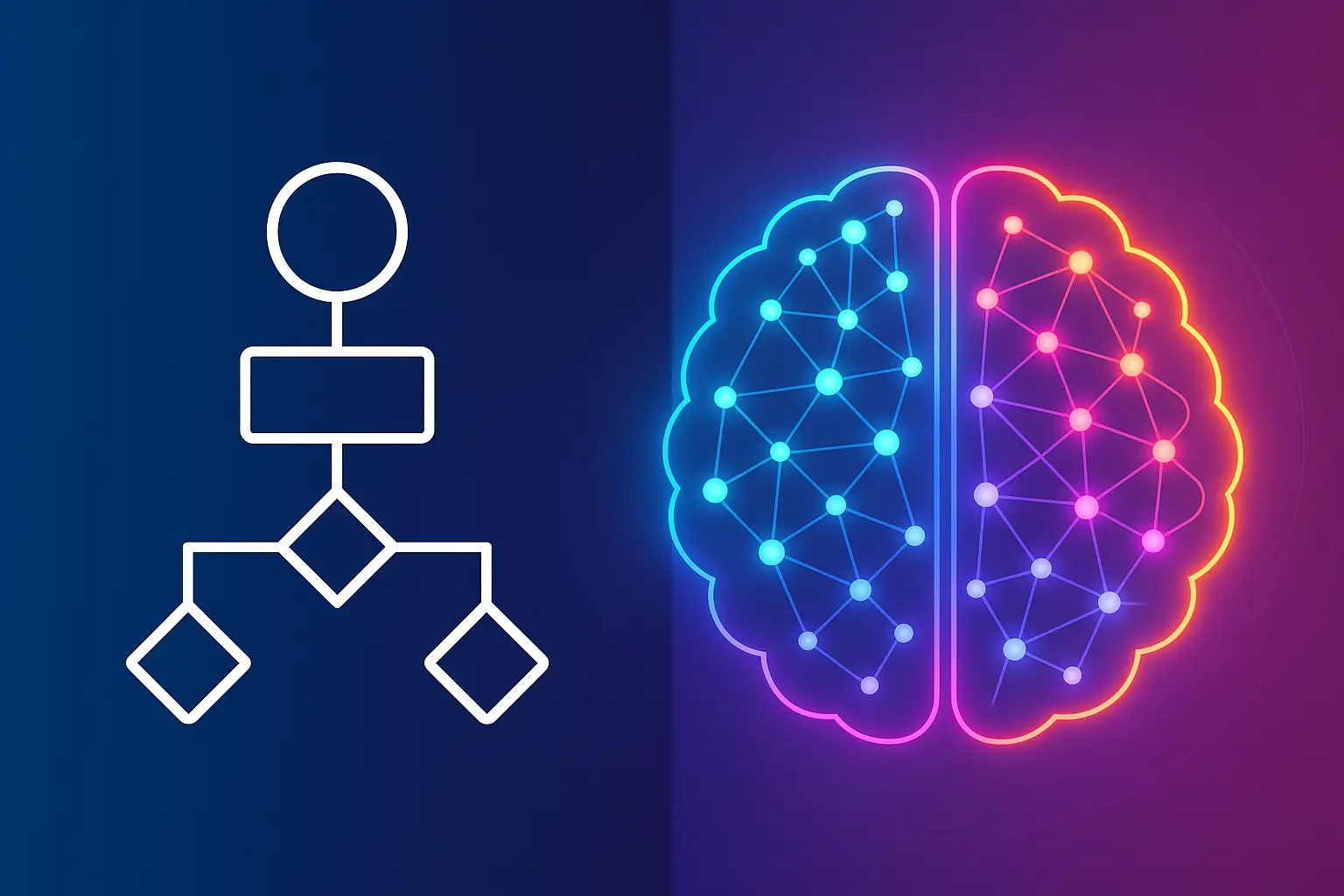
When we talk about automated customer interactions today, you'll often hear terms like "chatbot" and "conversational AI" thrown around interchangeably. But here's the thing – they're not the same, and choosing the wrong one for your software could cost you both money and customers. If you're building software or looking to enhance your existing platform with automated communication features, understanding these differences isn't just helpful – it's essential for your success. Understanding the Fundamental Differences Let's start with the basics. A chatbot is essentially a software program designed to simulate conversations with users through text or voice interactions. Think of it as a digital assistant that follows predetermined rules and scripts to respond to specific keywords or phrases. These traditional chatbots operate like a sophisticated FAQ system – they can handle straightforward questions but struggle when conversations become complex or unpredictable. Conversational AI, on the other hand, represents a more sophisticated approach. It uses advanced technologies like natural language processing (NLP), machine learning (ML), and deep learning to create human-like interactions. Unlike chatbots that follow rigid scripts, conversational AI can understand context, learn from interactions, and adapt its responses based on the conversation flow. The key distinction lies in their capabilities. While chatbots excel at handling routine, predictable interactions, conversational AI can manage complex, multi-turn conversations while maintaining context throughout the entire interaction. This makes conversational AI particularly valuable for software applications that require nuanced understanding and personalized responses. Breaking Down the Technical Architecture Traditional Chatbots: Rule-Based Systems Traditional chatbots operate on predetermined decision trees and keyword recognition systems. When a user asks a question, the chatbot scans for specific keywords and matches them to pre-programmed responses. This approach works well for simple, frequently asked questions but breaks down when users phrase questions differently or ask something outside the bot's programmed scope. For software developers, implementing a traditional chatbot is relatively straightforward. You define the conversation flows, create response templates, and establish rules for different scenarios. The development process typically involves mapping out all possible user inputs and creating appropriate responses. This makes chatbots cost-effective and quick to deploy, with basic implementations starting around $30-$150 per month for small businesses. Conversational AI: Intelligent Response Systems Conversational AI systems are built differently. They use natural language processing to understand user intent rather than just matching keywords. Machine learning algorithms analyze past conversations to improve responses over time, while contextual awareness allows the system to remember previous interactions and maintain conversation continuity. The technical architecture involves multiple layers: intent recognition, entity extraction, dialogue management, and response generation. Each layer works together to create more natural, human-like interactions. This complexity means higher development costs – typically ranging from $20,000 to $150,000 for custom implementations – but the investment often pays off through improved user satisfaction and reduced support costs. Real-World Applications in Software When Chatbots Make Sense? Traditional chatbots work exceptionally well in software applications with predictable user interactions. They're perfect for handling login assistance, password resets, basic account inquiries, and guiding users through simple processes. For example, if you're building an e-commerce platform, a chatbot can efficiently handle order status inquiries, return requests, and basic product information. The beauty of chatbots lies in their simplicity and reliability. They provide consistent responses, work 24/7, and can handle multiple users simultaneously without degrading performance. This makes them ideal for software applications where user queries follow predictable patterns. Where Conversational AI Excels? Conversational AI shines in software applications requiring sophisticated user interactions. It's particularly valuable in applications like customer support platforms, virtual assistants, and complex workflow management systems. The technology can understand user intent even when questions are phrased differently, maintain context across multiple interactions, and provide personalized responses based on user history. Consider a project management software with conversational AI integration. Users can ask complex questions like "Show me all overdue tasks assigned to my team that are blocking other projects," and the AI can understand the intent, extract relevant entities (overdue tasks, team members, blocking relationships), and provide intelligent responses. Cost Considerations and ROI Analysis Initial Investment Breakdown The cost difference between chatbots and conversational AI is significant. Basic chatbot implementations can cost as little as $2,000-$10,000 for custom builds, while conversational AI projects typically start at $20,000 and can exceed $500,000 for enterprise-level implementations. However, these upfront costs need to be evaluated against potential returns. Research shows that chatbots can save businesses an average of $300,000 per year and reduce overall support costs by 30%. Conversational AI systems, while more expensive initially, often deliver higher ROI through improved customer satisfaction, increased sales conversions, and reduced operational overhead. Long-term Value Proposition The ROI calculation extends beyond immediate cost savings. Chatbots typically handle 5,000-10,000 customer interactions monthly, with each interaction costing approximately $1-$2 compared to $6-$14 for human-handled interactions. Conversational AI systems can handle more complex interactions, potentially deflecting even higher-value support tickets and enabling human agents to focus on strategic tasks. For software companies, the value proposition often includes improved user retention, higher feature adoption, and reduced churn rates. Users who receive better support through intelligent automation are more likely to remain loyal to the platform. Implementation Strategies for Different Business Sizes Small to Medium Businesses For smaller software companies, starting with a well-designed chatbot often makes strategic sense. The lower investment barrier allows you to test automated customer interactions without significant financial risk. You can begin with handling common user questions, basic troubleshooting, and simple task automation. The key is designing conversation flows that anticipate your most common user needs. Start by analyzing your support tickets to identify repetitive questions, then build chatbot responses for these scenarios. This approach can reduce support workload by 30-50% while maintaining user satisfaction. Enterprise Applications Larger software companies with complex user bases often benefit more from conversational AI implementations. The higher upfront investment is justified by the system's ability to handle sophisticated user interactions, integrate with multiple business systems, and provide personalized experiences at scale. Enterprise conversational AI can integrate with CRM systems, databases, and other business applications to provide contextual, data-driven responses. This integration capability makes it valuable for software platforms with complex user workflows and diverse use cases. Technical Integration Considerations API Integration and System Architecture Both chatbots and conversational AI require careful integration planning. Modern software architectures typically involve multiple microservices, APIs, and data sources. Your automated communication system needs to access relevant user data, product information, and business logic to provide meaningful responses. For chatbots, integration is usually simpler – you define specific API endpoints for different functions and map them to conversation triggers. Conversational AI requires more sophisticated integration patterns, often involving real-time data access, dynamic query generation, and complex business logic execution. Security and Privacy Considerations When implementing either solution, security becomes paramount, especially when handling sensitive user data. Both systems require secure data transmission, user authentication, and compliance with privacy regulations like GDPR or CCPA. Conversational AI systems, given their learning capabilities, require additional consideration around data retention, model training, and bias prevention. You'll need to establish clear policies about what data the system can access and how it uses that information to improve responses. Performance Metrics and Success Measurement Key Performance Indicators Success measurement differs between chatbots and conversational AI. For chatbots, focus on metrics like containment rate (percentage of issues resolved without human intervention), response accuracy, and user satisfaction scores. These systems typically achieve 70-80% containment rates for well-defined use cases. Conversational AI requires more nuanced measurement. Beyond basic metrics, monitor context retention accuracy, multi-turn conversation success rates, and learning effectiveness over time. The best systems show improving performance as they process more interactions. User Experience Impact Both solutions can significantly impact user experience, but in different ways. Chatbots provide consistent, fast responses that work well for straightforward interactions. Users appreciate the immediate availability and predictable responses for common questions. Conversational AI creates more natural, engaging interactions that feel closer to human conversation. Users report higher satisfaction rates with conversational AI systems, particularly for complex or sensitive issues. However, poorly implemented conversational AI can frustrate users more than a simple chatbot that clearly communicates its limitations. Future-Proofing Your Choice Technology Evolution Trends The line between chatbots and conversational AI continues to blur as technology advances. Modern chatbot platforms increasingly incorporate AI features, while conversational AI becomes more accessible through cloud-based services. This convergence means today's implementation choice doesn't permanently lock you into one approach. Consider choosing platforms that offer upgrade paths from rule-based chatbots to AI-powered systems. This allows you to start simple and evolve your capabilities as your needs grow and your budget expands. Scalability Planning Think about your software's growth trajectory when making this decision. A simple chatbot might handle your current user base effectively, but will it scale as your user count multiplies? Conversational AI systems typically scale more gracefully, handling increased complexity and user volume without degrading performance. Plan for seasonal variations, product launches, and feature releases that might temporarily increase support volume. Your automated system should handle these spikes without requiring significant manual intervention. Making the Right Choice for Your Software The decision between chatbots and conversational AI ultimately depends on your specific use case, budget, and long-term goals. If your software has predictable user interactions, limited budget, and straightforward support needs, a well-designed chatbot can deliver excellent results. Choose conversational AI when your software involves complex user workflows, requires personalized interactions, or serves diverse user bases with varying needs. The higher investment often pays dividends through improved user satisfaction, reduced support costs, and enhanced competitive positioning. Remember that this isn't necessarily a permanent choice. Many successful software companies start with chatbots and evolve to conversational AI as their needs grow and their understanding of user interactions deepens. The key is choosing a solution that solves your immediate needs while providing a path for future enhancement. Your software users deserve intelligent, helpful automated interactions. Whether you achieve that through a thoughtfully designed chatbot or sophisticated conversational AI depends on your specific circumstances. But with the right choice and implementation, either technology can significantly enhance your software's value proposition and user satisfaction. Both technologies will continue evolving, making automated interactions more natural and effective. The companies that succeed will be those that choose the right tool for their current needs while remaining flexible enough to adapt as technology advances and user expectations continue to rise.